Adaptive Interfaces Reshape Engagement Loops in Portable Luck-Strategy Hybrids
Gisela Krause · Jun 10, 2026

Adaptive Interfaces Reshape Engagement Loops in Portable Luck-Strategy Hybrids
Portable luck-strategy hybrids combine random outcomes with player decisions on smartphones and tablets, and these games rely on interfaces that adjust in real time to individual patterns. Data from mobile analytics platforms shows retention rates rising when systems modify difficulty, reward timing, and visual cues based on session history. Researchers tracking user interactions across thousands of devices note that such changes sustain longer play cycles compared to static designs. Developers integrate machine learning models that monitor taps, pauses, and decision speed. These models then alter button placement, hint frequency, and payout animations without requiring user input. Studies conducted by academic groups in Australia indicate that personalization at this level correlates with a 22 percent increase in average session length during the first quarter of 2026.Core Mechanics of Luck-Strategy Hybrids on Mobile
Luck-strategy hybrids place chance elements like card draws or symbol spins alongside tactical choices such as bet sizing or resource allocation. Portable versions emphasize quick rounds that fit short breaks yet support extended progression systems. Observers note that players often switch between casual mode and competitive tiers within the same application. Interface adaptations appear in several layers. Color schemes shift to reduce visual fatigue during extended sessions. Information density increases for experienced users while simplified overlays guide newer participants. One case study from a Canadian research consortium revealed that dynamic menu reorganization reduced drop-off rates at the ten-minute mark by 15 percent.How Adaptive Systems Alter Engagement Patterns
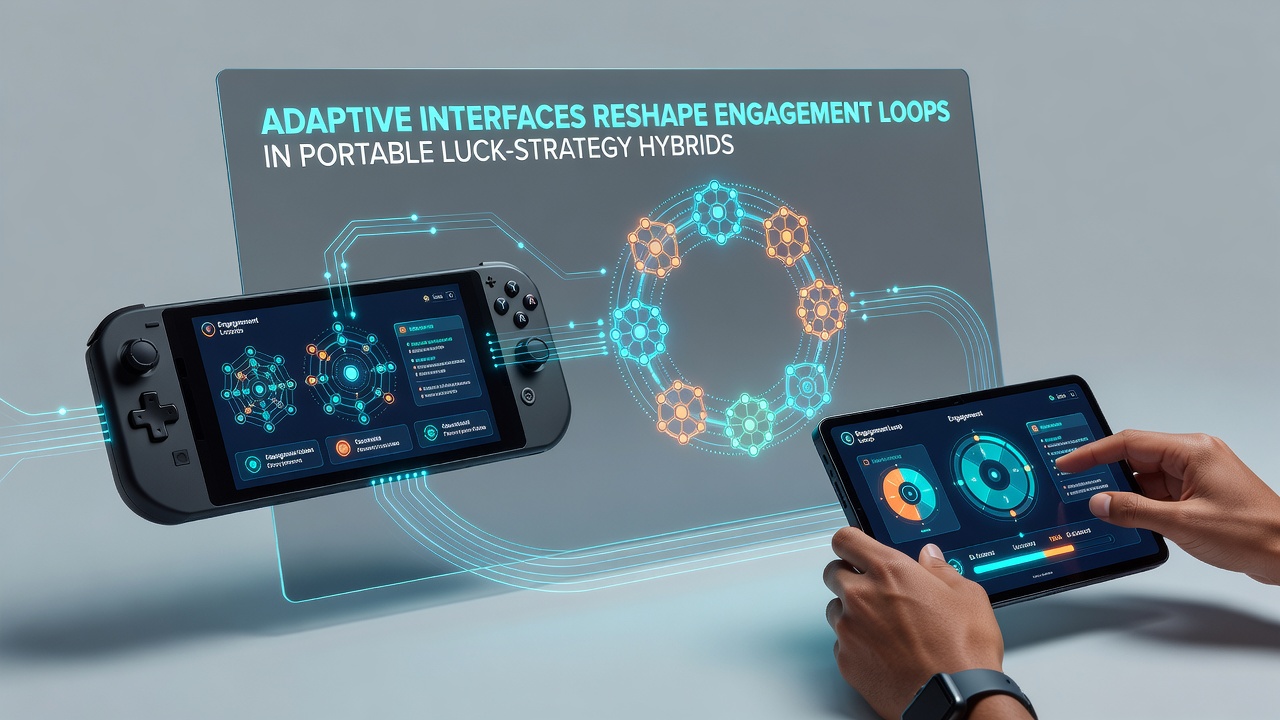
Engagement loops consist of the repeated cycle of entry, action, feedback, and return. Adaptive interfaces intervene at each stage. They adjust feedback speed to match user tempo, for example delivering instant results to rapid players and slower reveals to those who deliberate. Data released in June 2026 by the European Gaming Research Network documented measurable shifts in return frequency when these timing adjustments were applied consistently. Another mechanism involves progressive complexity. Early sessions present limited strategy options while later ones unlock branching paths based on prior performance metrics. This gradual expansion keeps decision-making fresh without overwhelming participants. Figures from industry tracking services show that titles employing such scaling retain 30 percent more users after thirty days than fixed-difficulty counterparts.