Adaptive Reward Pathways: Linking Deposit Flexibility to Retention in Varied Gaming Formats
Sam Krause · Aug 19, 2026
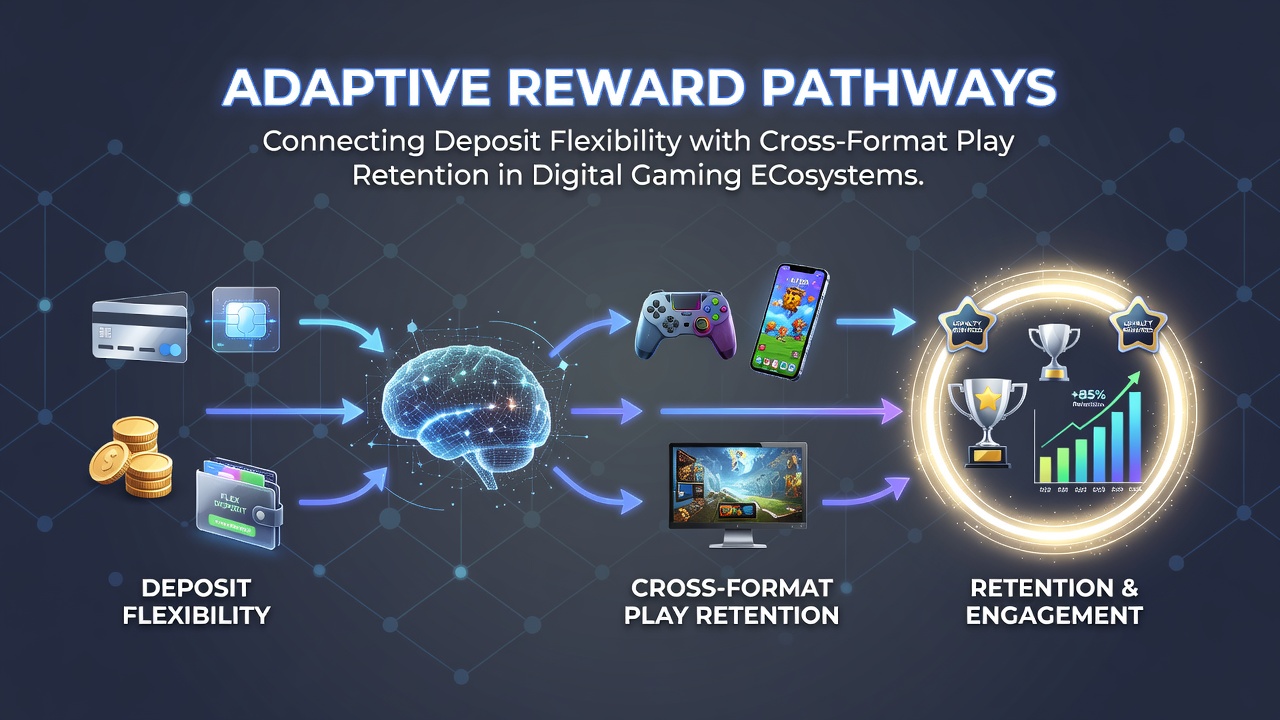
Adaptive Reward Pathways: Linking Deposit Flexibility to Retention in Varied Gaming Formats
Foundations of Flexible Transactions in Digital Platforms
Digital gaming ecosystems rely on transaction systems that allow users to adjust deposit amounts and timing based on individual preferences, and data from August 2026 indicates these options correlate with extended engagement across multiple game types including chance-based and strategy elements. Observers note that platforms integrating variable deposit thresholds see users transition more fluidly between formats, sustaining activity without abrupt interruptions in play cycles. Research shows operators who streamline these pathways experience measurable lifts in session duration, particularly when rewards adapt in real time to match deposit patterns.
How Adaptive Mechanisms Shape User Behavior
Adaptive reward pathways function through algorithms that monitor deposit frequency and scale incentives accordingly, which in turn supports retention when players shift between reel mechanics, live interactions, and hybrid strategy formats. Those who've studied participation metrics find that when deposits remain flexible, reward triggers activate across formats more consistently, encouraging continued involvement rather than format-specific drop-off. Evidence suggests systems that recalibrate bonuses based on transaction history maintain higher cross-format movement, as users receive tailored prompts that align with their current deposit behavior and preferred play style.
Cross-Format Retention Patterns Emerging in 2026
Figures from industry reports reveal that retention rates climb when deposit flexibility connects directly to reward structures that span different gaming modes, and analysts tracking August 2026 data point to increased loyalty among users who move between formats without friction. One study revealed that players utilizing adjustable deposit tools showed stronger persistence across sessions, especially when adaptive pathways delivered incremental benefits tied to both small and larger transactions. Experts have observed these patterns hold across various regulatory environments, where platforms emphasize seamless access routes that keep engagement levels steady regardless of chosen format.
Transaction Efficiency and Layered Incentive Structures
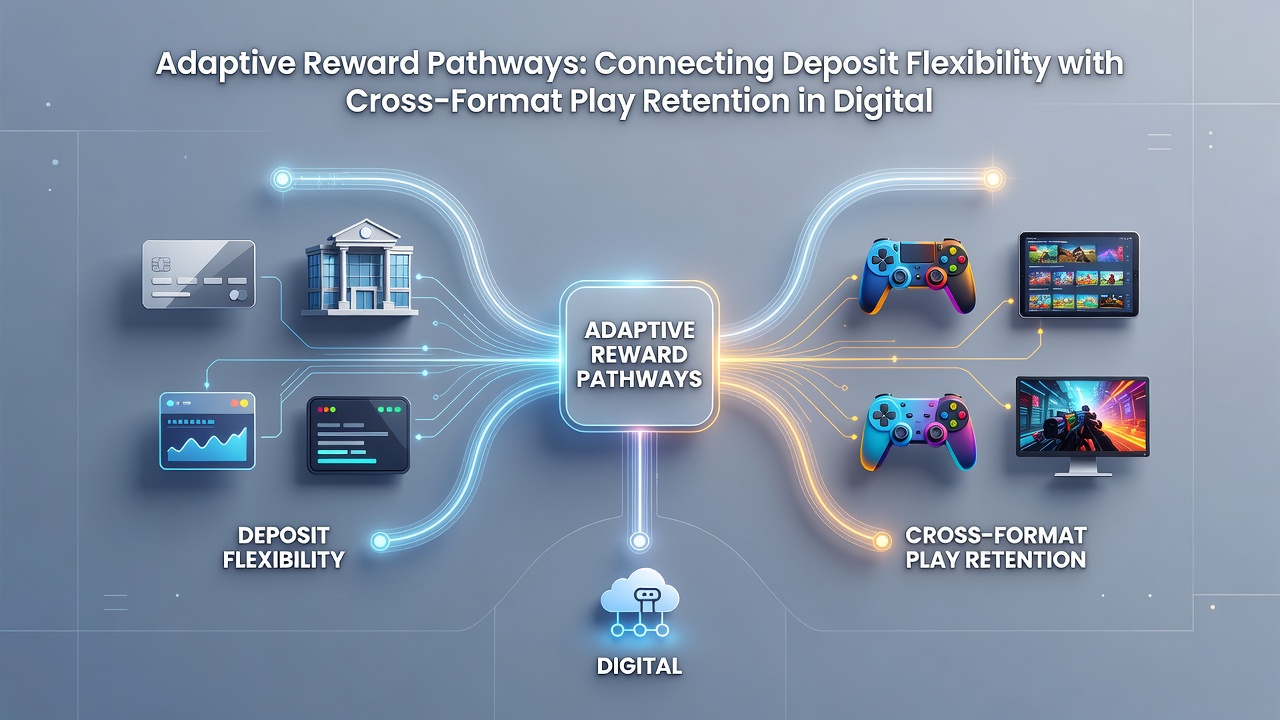
Transaction efficiency serves as the bridge that allows reward pathways to function adaptively, and when deposits process without delay, users encounter fewer barriers to switching formats while accumulating benefits. Data indicates platforms that couple swift deposits with dynamic reward scaling report elevated retention metrics, particularly in environments where players explore both chance and strategy hybrids within single accounts. According to findings from the Canadian Centre for Gaming Research, flexible deposit options paired with adaptive incentives correlate with longer-term participation across diverse game categories. Researchers discovered that these connections strengthen when systems track user movement between formats and adjust reward layers in response.
Regional Insights and Emerging Data Trends
European markets have documented similar outcomes, with reports from the European Gaming and Betting Association highlighting how deposit adaptability supports retention when rewards follow players across formats. In regions where operators implemented these pathways during 2026, participation data shows sustained activity even amid shifts in preferred play types. Those monitoring ecosystem performance note that the integration of flexible deposits with adaptive rewards creates feedback loops that reinforce continued engagement, reducing the likelihood of format-specific attrition.
Conclusion
Adaptive reward pathways that connect deposit flexibility with cross-format retention continue to influence digital gaming ecosystems through measurable patterns in user behavior and platform metrics. As August 2026 data continues to accumulate, operators and researchers alike track how these elements interact to support ongoing participation across varied formats, with transaction systems and incentive structures evolving in tandem. The connections between these components remain central to understanding retention dynamics in expanding digital environments.