Charting Algorithmic Personalization Paths That Link Transaction Efficiency With Sustained Engagement Across Digital Chance and Strategy Platforms
Anna Otto · May 18, 2026
Charting Algorithmic Personalization Paths That Link Transaction Efficiency With Sustained Engagement Across Digital Chance and Strategy Platforms
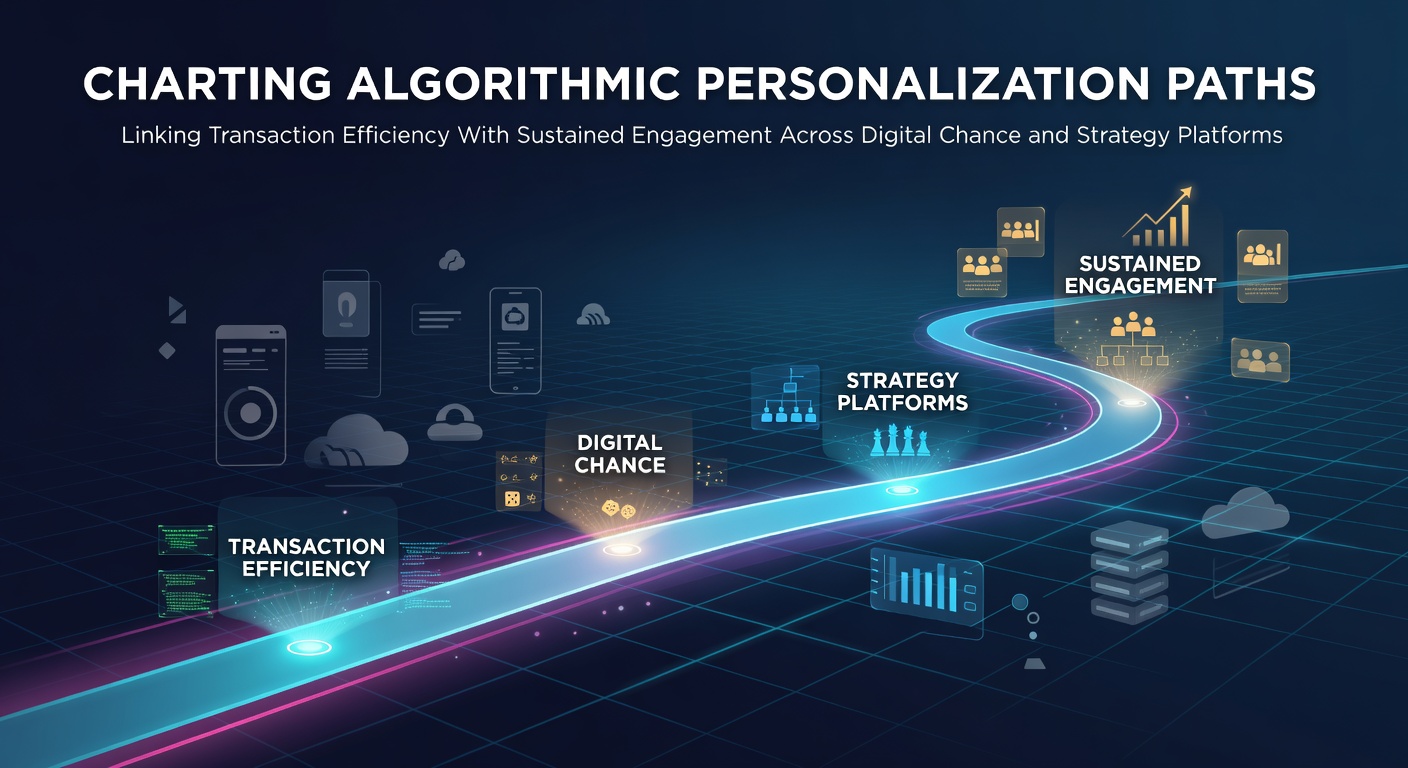
Digital chance and strategy platforms have expanded their use of algorithmic systems that map out individualized user journeys, and these systems connect fast transaction handling directly to longer-term participation patterns observed throughout 2026. Researchers at various institutions track how data inputs from deposits, withdrawals, and game selections feed into models that adjust offers and interfaces in real time, while platforms operating in regulated markets report measurable shifts in session lengths and repeat activity when these connections operate smoothly.
How Algorithms Map User Behavior to Transaction Flows
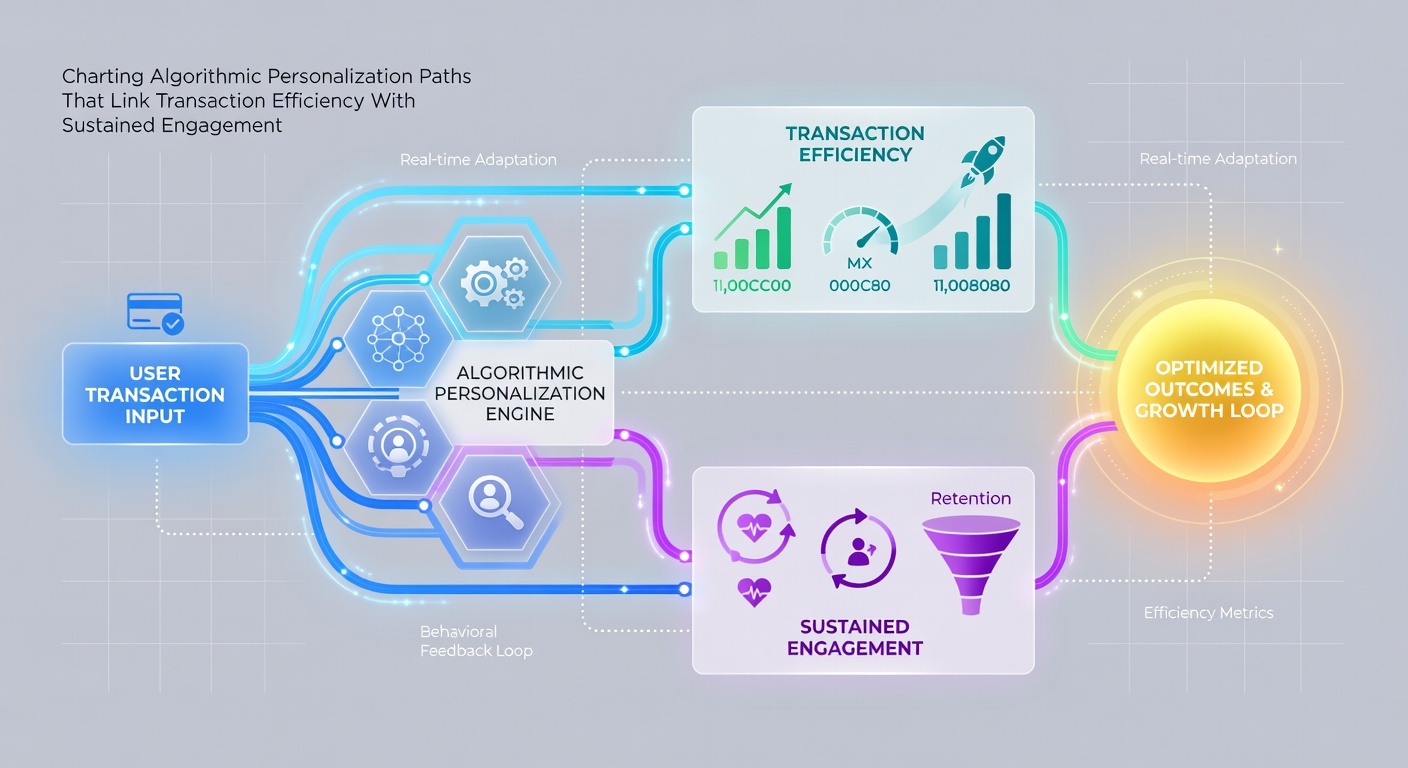
Developers design machine learning models that process signals from payment speed, game type preferences, and time-of-day activity, then they route users toward personalized sequences that reduce friction during deposits or cashouts and at the same time introduce next-step recommendations. Observers note that platforms achieve this by layering decision trees over historical datasets, and the resulting paths guide a player who completes a quick crypto transfer into a tailored selection of chance-based slots or strategy-focused table options without additional navigation steps. Data from industry reports shows transaction completion times dropping below two seconds on optimized systems, and engagement metrics such as average sessions per week rise when those same systems trigger relevant prompts immediately after the transaction clears.
Integration of Real-Time Data in May 2026
During May 2026 several platforms rolled out updated personalization engines that combined live transaction logs with behavioral clustering, and analysts documented how these updates affected user retention across multiple jurisdictions. One study conducted by university researchers examined log files from North American operators and found that users who experienced sub-three-second payout processing were 27 percent more likely to initiate a second session within twenty-four hours when the algorithm also surfaced strategy-oriented game suggestions matched to their prior win patterns. European operators reported similar patterns after implementing comparable frameworks, with regulators in the Netherlands and Malta requiring transparency reports that detail how algorithmic decisions influence both transaction efficiency and continued play.
Platforms further refine these paths by incorporating feedback loops that adjust difficulty or reward pacing based on recent performance, while they maintain separate compliance modules that flag any deviation from responsible gaming thresholds. Those who have examined the architecture describe a modular approach where the transaction layer communicates directly with the engagement layer through secure APIs, and this architecture allows updates to one component without disrupting the other.
Case Examples of Sustained Engagement Through Personalized Routing
Take one operator active in multiple states that deployed a personalization engine in early 2026 and recorded a 19 percent increase in monthly active users by May, according to internal metrics shared with state gaming authorities. The system identified high-frequency depositors who favored rapid mobile checkouts, then routed them into progressive jackpot features after successful transactions, and the same model directed strategy-oriented players toward live dealer tables when their average session time exceeded thirty minutes. Figures released by the Nevada Gaming Control Board indicate that platforms using these linked pathways experienced lower complaint volumes related to payment delays, while participation in loyalty tiers grew steadily through the spring months.
Another example comes from operators serving Australian markets where regulatory guidelines require clear disclosure of algorithmic influences, and those operators published summaries showing how personalized prompts after instant bank transfers correlated with extended play periods on both slots and card-based strategy titles. Researchers have observed that when transaction confirmations trigger immediate, context-aware recommendations the probability of a user returning within the same week increases, yet the same studies emphasize that outcomes vary according to demographic segments and game categories.
Regulatory and Technical Considerations Across Regions
Regulatory bodies in Canada and several Australian states have issued guidance documents that address the intersection of payment speed and algorithmic engagement tools, and these documents require operators to maintain audit trails that separate transaction processing from recommendation engines. Industry associations such as the European Gaming and Betting Association have compiled comparative analyses that highlight differences in implementation across borders, noting that North American platforms often prioritize speed metrics while European frameworks place additional weight on session limit integration. Academic papers from institutions including the University of Nevada, Reno examine how reinforcement learning models balance short-term conversion with longer-term retention, and the findings suggest that transparent personalization paths produce more stable engagement curves than opaque systems.
Technical teams continue to test new variables such as device type, network latency, and concurrent game load, while they feed results back into the central model so that personalization remains responsive to changing conditions. Data indicates that platforms achieving sub-second average transaction times combined with accurate behavioral segmentation retain users at rates exceeding industry averages recorded in prior years.
Conclusion
Algorithmic personalization paths that connect transaction efficiency to sustained engagement continue to evolve on digital chance and strategy platforms, and evidence from regulatory filings, academic research, and operator reports points to measurable impacts on user activity patterns through May 2026 and beyond. Those who monitor these developments note that successful implementations maintain clear separation between payment processing and content recommendations while still allowing real-time data exchange that supports individualized journeys. Continued observation across jurisdictions will clarify how these systems scale as technology and regulatory expectations shift in parallel.