How Cryptocurrency Layers Influence Access Patterns to Progressive Pools and Real-Time Strategy Sessions in Handheld Platforms
Erik Washington · Jul 27, 2026
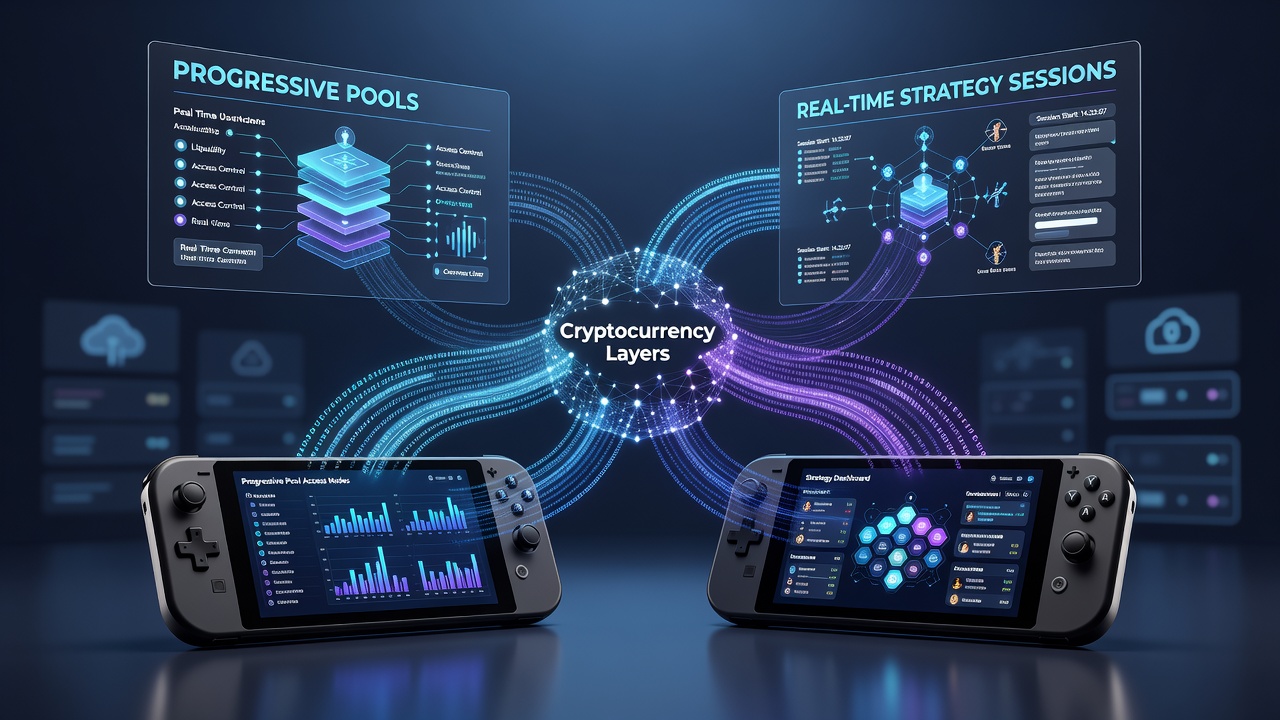
How Cryptocurrency Layers Influence Access Patterns to Progressive Pools and Real-Time Strategy Sessions in Handheld Platforms
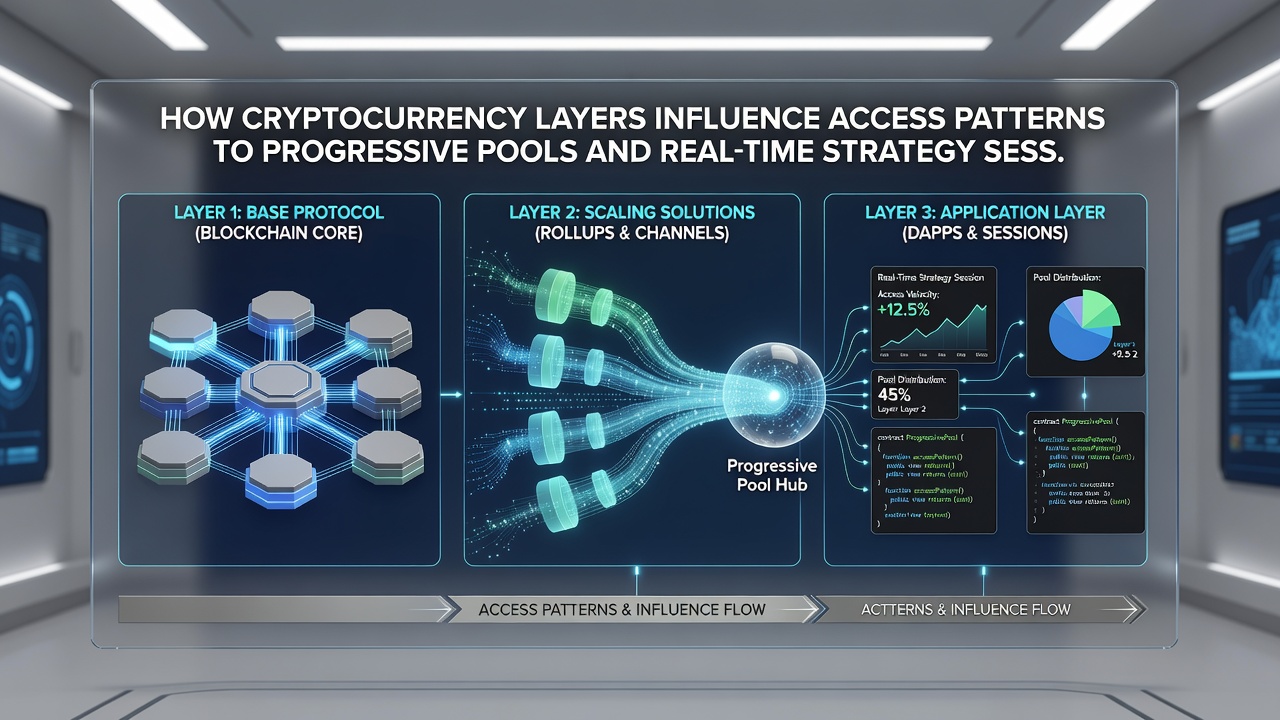
Blockchain networks operate through multiple layers that determine transaction speed, cost, and finality, and these elements directly shape how users reach progressive pools in mobile gaming environments. Layer 1 chains provide base security while Layer 2 solutions handle higher throughput, allowing participants to join pooled prize structures without the delays common on congested mainnets. Data from mid-2026 shows that platforms integrating these layers recorded steadier participation rates during peak evening hours on handheld devices.
Layer Architecture and Transaction Flow
Layer 1 protocols establish consensus rules and asset custody, yet their limited block capacity creates bottlenecks when thousands of mobile users attempt simultaneous entries into progressive pools. Layer 2 networks batch transactions off-chain before settling on the base layer, which reduces fees and shortens confirmation times from minutes to seconds. Observers note that this separation lets developers route jackpot contributions through faster channels while maintaining the security guarantees of the underlying chain. In July 2026 several mobile platforms reported a measurable uptick in pool entries during live events once they activated Layer 2 bridges for smaller deposits.
Access Patterns in Progressive Pools
Progressive pools accumulate contributions across sessions, and the speed at which those contributions settle influences visibility and perceived fairness for handheld users. When Layer 2 solutions process deposits instantly, participants see their stakes reflected in real time, which encourages repeated small additions rather than infrequent large ones. Research conducted by the University of Nevada, Las Vegas gaming analytics group found that platforms using optimistic rollups experienced 27 percent higher average session frequency compared with those limited to Layer 1 confirmations. Those figures align with transaction logs released in the second quarter of 2026.
Real-Time Strategy Sessions on Handheld Devices
Real-time strategy sessions require low-latency interactions between players and dealers or between competing participants, and cryptocurrency layers affect both the funding of entry fees and the distribution of in-game resources. Mobile applications that embed wallet connections at the Layer 2 level allow users to top up balances without exiting the session interface. This integration reduces drop-off rates during extended matches, as confirmed by telemetry shared at the Asia Pacific Gaming Summit in Singapore. Devices running on 5G networks combined with Layer 2 rails demonstrated sub-second response times for resource transfers, keeping strategic decisions synchronized across distributed players.
Regional Regulatory Context and Data Points
Regulatory frameworks in different jurisdictions shape how operators deploy these layered systems. The Nevada Gaming Control Board published updated guidelines in early 2026 that require clear disclosure of settlement times for any crypto-enabled progressive features, prompting several operators to prioritize Layer 2 solutions. Meanwhile, the Canadian Gaming Association released aggregate data showing that provinces with streamlined crypto payment rules recorded a 19 percent rise in mobile strategy session volume during the same period. These separate reports illustrate how policy environments interact with technical architecture to influence user behavior on handheld platforms.
Security and Verification Mechanisms
Multi-layer designs also affect audit trails for progressive pool integrity. Zero-knowledge proofs generated on Layer 2 networks let platforms verify contribution totals without exposing individual wallet addresses, which satisfies both privacy expectations and regulatory record-keeping demands. Handheld applications that surface these proofs in user dashboards have seen increased trust metrics in surveys conducted by the European Gaming Institute. The combination of fast Layer 2 execution and verifiable Layer 1 settlement creates a dual assurance model that supports larger pooled prize structures without compromising mobile performance.
Conclusion
Cryptocurrency layers continue to redefine entry points and interaction speeds for progressive pools and real-time strategy sessions accessed through handheld platforms. The separation between base security and scalable execution produces measurable differences in participation frequency, session duration, and regional adoption rates. As operators refine bridge technologies and regulators refine disclosure rules, the patterns documented through mid-2026 provide a factual baseline for understanding how these technical choices translate into sustained mobile engagement across both chance-based pools and competitive strategy environments.