How Funding Routes Shape Layered Incentive Access in Portable Hybrid Gaming Setups
Gisela Krause · Jul 31, 2026
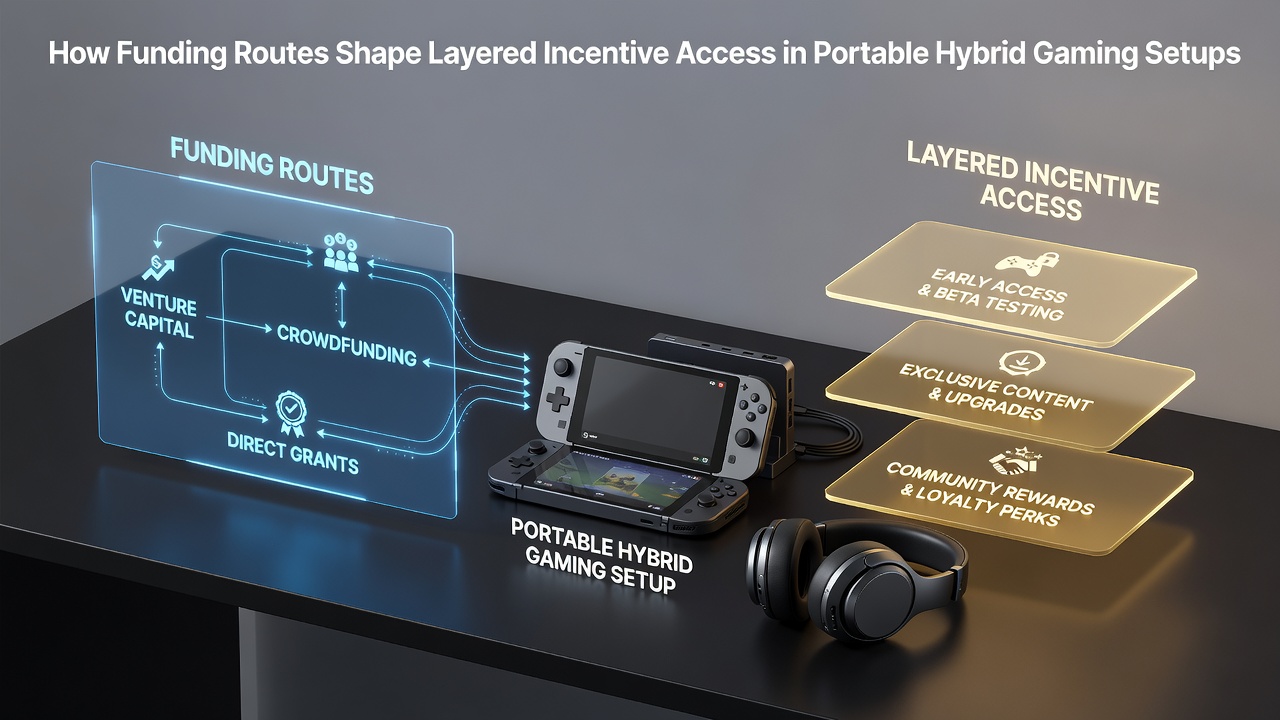
How Funding Routes Shape Layered Incentive Access in Portable Hybrid Gaming Setups
Portable hybrid gaming setups combine elements of chance-based slots with strategy-driven table games and real-time dealer interactions on mobile devices, and funding routes determine which incentive layers become available to participants. Observers note that direct bank transfers often unlock base-level rewards while digital wallet options and cryptocurrency channels frequently grant access to mid-tier bonuses and progression multipliers in the same ecosystem. Data from industry reports indicate that these access patterns emerged more clearly in mobile environments by early 2026, with transaction speed and verification requirements playing central roles in tier advancement.
Funding Pathways and Their Structural Effects
Payment methods route funds through distinct verification and settlement systems that interact directly with incentive platforms. Credit card deposits typically require additional authentication steps that delay entry into promotional cycles, whereas e-wallet services integrate faster and connect users to immediate spin multipliers or live table entry credits. Researchers at the International Gaming Institute have documented how these differences create parallel tracks where one funding route feeds into standard reward pools and another feeds into accelerated VIP ladders within the same portable application.
Hybrid setups add complexity because they blend reel mechanics with dealer-led sessions, so incentive structures must accommodate both formats. A funding route that supports instant confirmation tends to activate cross-game progression credits that carry over from slots to strategy tables, while slower routes restrict those credits to single-format use. Figures from July 2026 market analyses show that platforms adjusting route-specific rules experienced measurable shifts in how users distributed playtime across game types.
Layered Incentive Mechanics in Mobile Environments
Layered incentives operate through progressive thresholds that funding routes influence at each stage. Initial deposits via certain processors unlock daily login multipliers, subsequent activity through the same route triggers weekly cashback percentages, and sustained patterns activate monthly tournament entries. When users switch routes mid-cycle, systems often reset or segment the incentive tracking, which fragments access and extends the time required to reach higher tiers. Those who study these patterns report that route consistency correlates with smoother progression across portable hybrid titles.
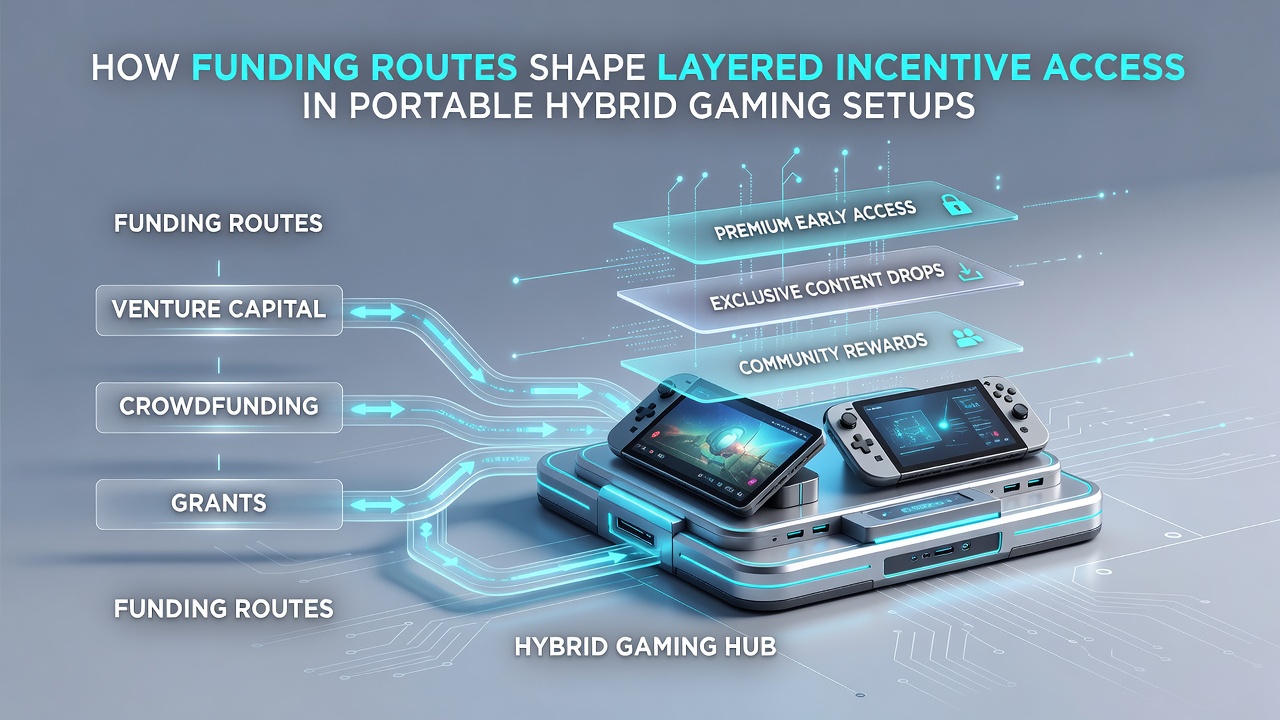
Transaction fees and currency conversion rules further shape access because some routes deduct amounts that count against deposit thresholds while others do not. In July 2026 several operators updated their internal ledgers to reflect these deductions transparently, allowing participants to see exactly how each funding choice altered remaining incentive distance. Academic studies from the University of Nevada Reno gaming research group found that transparent fee display increased route retention rates among users who had previously switched processors to chase better incentive positioning.
Regional Regulatory Influences on Route Selection
Regulatory frameworks in different jurisdictions impose varying requirements on funding verification that ripple through incentive access. North American state-level oversight emphasizes source-of-funds checks that extend processing times for certain routes, while Australian oversight focuses on responsible play limits tied to deposit velocity. These rules determine which payment channels can feed directly into promotional wallets and which must route through standard play accounts first. Observers tracking July 2026 compliance updates noted that operators in multiple regions adjusted hybrid game incentive calendars to align with new verification timelines.
Industry associations such as the European Gaming and Betting Association have compiled comparative data showing how route availability differs by jurisdiction and how those differences affect mobile user retention in mixed chance-and-strategy environments. The patterns reveal that faster, lower-friction routes consistently map to denser incentive layering, yet regulatory caps on transaction frequency can interrupt that density regardless of route chosen.
Technical Integration and Real-Time Adjustments
Backend systems in portable hybrid platforms link funding route APIs directly to incentive engines, enabling real-time recalculation of available layers after each transaction. When a deposit arrives through a high-velocity channel, the engine can apply stacked multipliers across both slot and live dealer modules simultaneously. Slower channels trigger segmented calculations that apply bonuses to one module at a time. Developers who maintain these systems report that API latency differences between routes account for noticeable variations in how quickly layered rewards appear on user dashboards.
July 2026 brought incremental updates to several major hybrid platforms that refined these integrations, reducing the gap between route types while preserving distinct incentive tracks. The adjustments allowed users to maintain partial progress when switching routes, though full tier benefits still required sustained use of a single primary funding method.
Conclusion
Funding routes continue to function as gatekeepers that determine the density and speed of layered incentive access within portable hybrid gaming setups. Transaction characteristics, verification requirements, and regulatory overlays combine to create differentiated pathways that users navigate when moving between chance and strategy elements on mobile devices. Data collected through July 2026 illustrate that consistent route usage aligns with smoother progression, while frequent switching segments incentive tracking and extends advancement timelines. These mechanics remain central to how operators structure rewards across evolving portable environments.