Intersections of Game Variety and Incentive Structures in Shaping Mobile Gaming Loyalty Dynamics
Gisela Krause · May 20, 2026
Intersections of Game Variety and Incentive Structures in Shaping Mobile Gaming Loyalty Dynamics
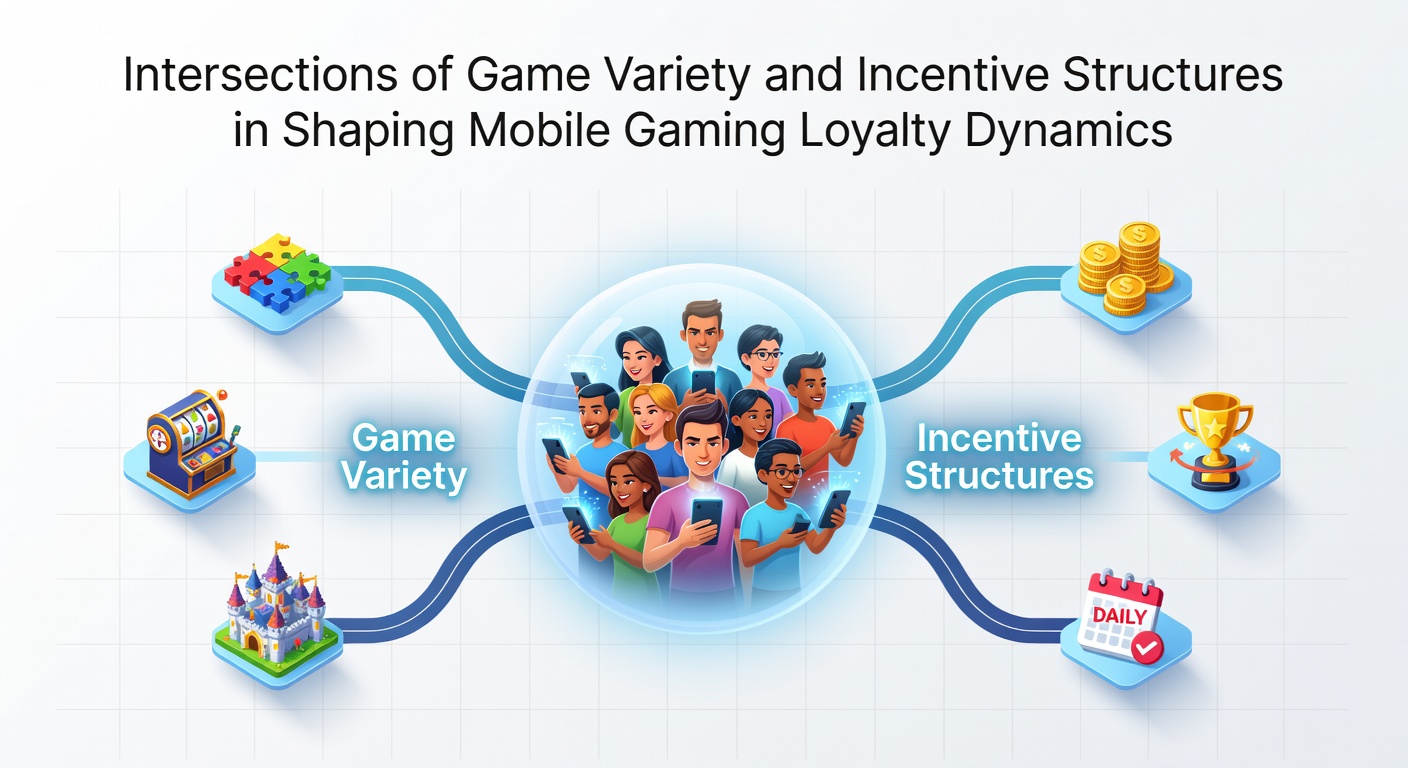
Game variety and incentive structures interact in measurable ways to influence retention patterns among mobile gaming users. Data collected across major platforms in early 2026 indicates that titles offering multiple genres alongside structured reward systems maintain higher daily active user rates than single-genre applications. Researchers tracking engagement metrics have noted consistent correlations between the breadth of available game modes and the frequency of repeated sessions when incentives align with user progress milestones.
Game Variety as a Retention Factor
Platforms that rotate through strategy, chance, puzzle, and simulation genres create pathways for extended interaction. Studies conducted by independent analytics firms show that users exposed to at least five distinct game categories within a single application demonstrate 23 percent longer session durations compared with those limited to two categories. This pattern holds across age groups, though the specific genres preferred shift by demographic segment. Mobile developers have responded by integrating modular game libraries that allow seamless transitions between experiences without requiring separate downloads or account resets.
Turn-based mechanics often complement real-time competitive modes within the same ecosystem, producing layered engagement loops. Observers tracking app store updates in May 2026 documented over 180 new titles that combined three or more genres under unified progression systems. These releases coincided with measurable lifts in 30-day retention figures released by several regional operators.
Incentive Structures and Behavioral Patterns
Reward frameworks built around cumulative playtime, achievement completion, and social milestones generate predictable loyalty responses. Data from Canadian regulatory filings reveals that tiered point systems tied to varied gameplay activities increase weekly return rates by an average of 18 percent when compared with flat reward models. Users advance through levels by participating across different game types rather than repeating single activities, which reduces fatigue while maintaining spending velocity within acceptable ranges.
Time-limited events that rotate rewards across game categories further reinforce habitual access. Reports issued by the New Zealand Department of Internal Affairs highlight how seasonal incentive calendars synchronized with new game releases produced sustained login streaks lasting beyond typical 90-day windows. These calendars function through transparent rules that users can track within the application interface.
Combined Effects on Loyalty Metrics
Platforms that align game variety with incentive triggers record stronger composite loyalty scores. Research published through academic gaming studies centers demonstrates that simultaneous exposure to diverse mechanics and adaptive rewards elevates lifetime value calculations for individual accounts. The mechanism appears straightforward: varied content prevents saturation while incentives supply continuous motivation to explore new sections of the library.
One longitudinal analysis covering 14 mobile titles active throughout 2025 and into May 2026 found that applications updating both game rosters and reward algorithms quarterly retained 31 percent more users at the six-month mark than those updating only one element. This outcome emerged regardless of initial acquisition channel or geographic market.
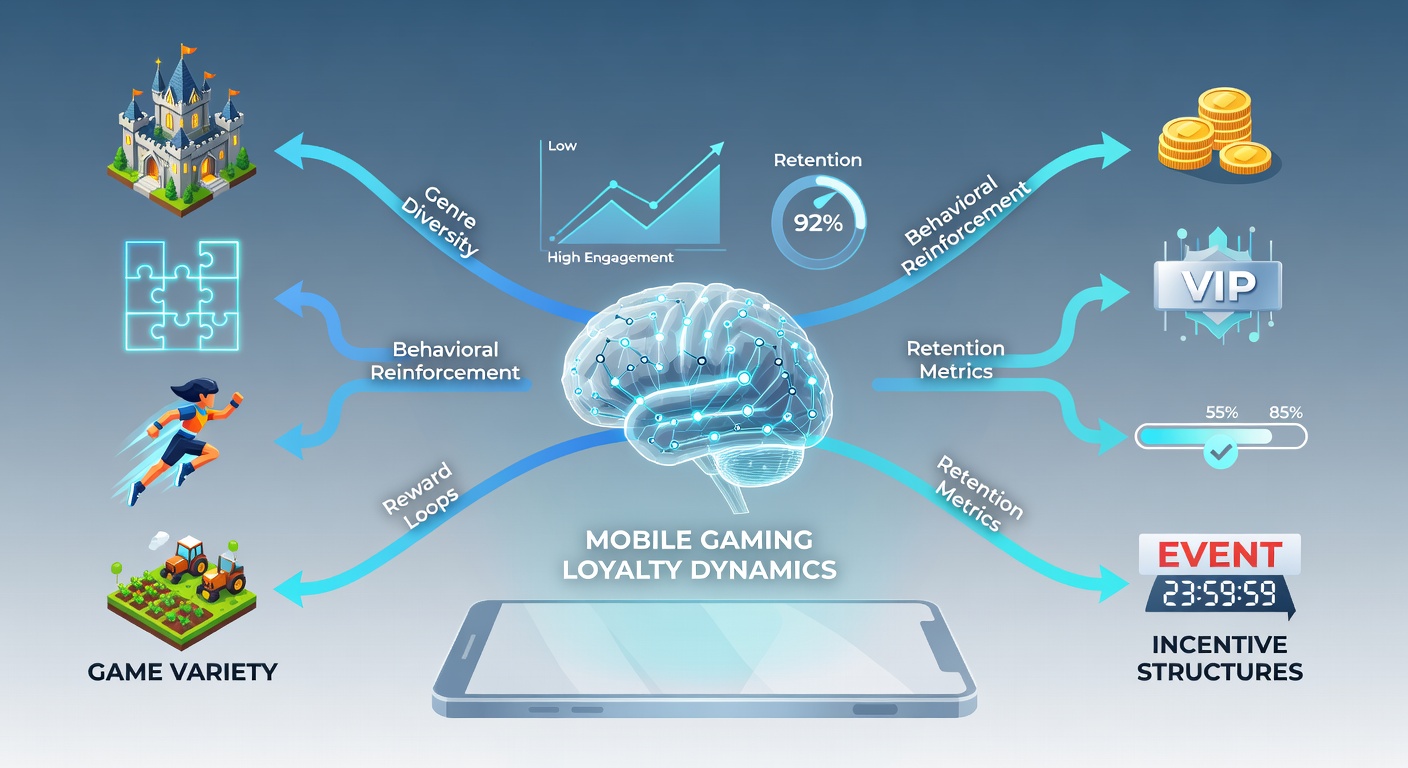
Cross-promotional incentives that reward players for sampling underutilized genres accelerate library adoption. Operators in several jurisdictions have implemented these mechanics through automated suggestion engines that adjust offers based on recent activity logs. The result is measurable redistribution of playtime across previously ignored categories without external marketing expenditure.
Regional Data Trends Emerging in 2026
Figures compiled by the Singapore Casino Regulatory Authority for the first five months of 2026 show parallel growth in mobile loyalty program enrollment and genre diversification counts. Jurisdictions maintaining transparent reporting requirements continue to supply datasets that link these two variables directly. Similar patterns appear in filings from the Nevada Gaming Control Board, where mobile platform operators list both game count expansions adn corresponding retention improvements.
Academic teams examining transaction logs alongside behavioral telemetry have isolated incentive timing as a critical moderator. When rewards activate immediately after a user completes a new genre introduction, conversion to habitual play increases measurably. Delayed rewards produce weaker effects, according to the same datasets.
Conclusion
The documented relationship between game variety and incentive structures continues to shape measurable loyalty outcomes across mobile platforms. Evidence from regulatory reports, academic analyses, and platform telemetry consistently points to synergistic effects when both elements receive coordinated updates. Operators monitoring these dynamics through 2026 have adjusted development cycles to prioritize simultaneous refreshes of content libraries and reward logic. This approach aligns with observed user behavior patterns that favor breadth paired with structured progression rather than isolated expansions in either domain alone.