Mapping the influence of varied payment systems on unlocking progressive incentives within portable gaming environments that blend automated reels with live strategy elements
Viktor Griffin · Jun 24, 2026
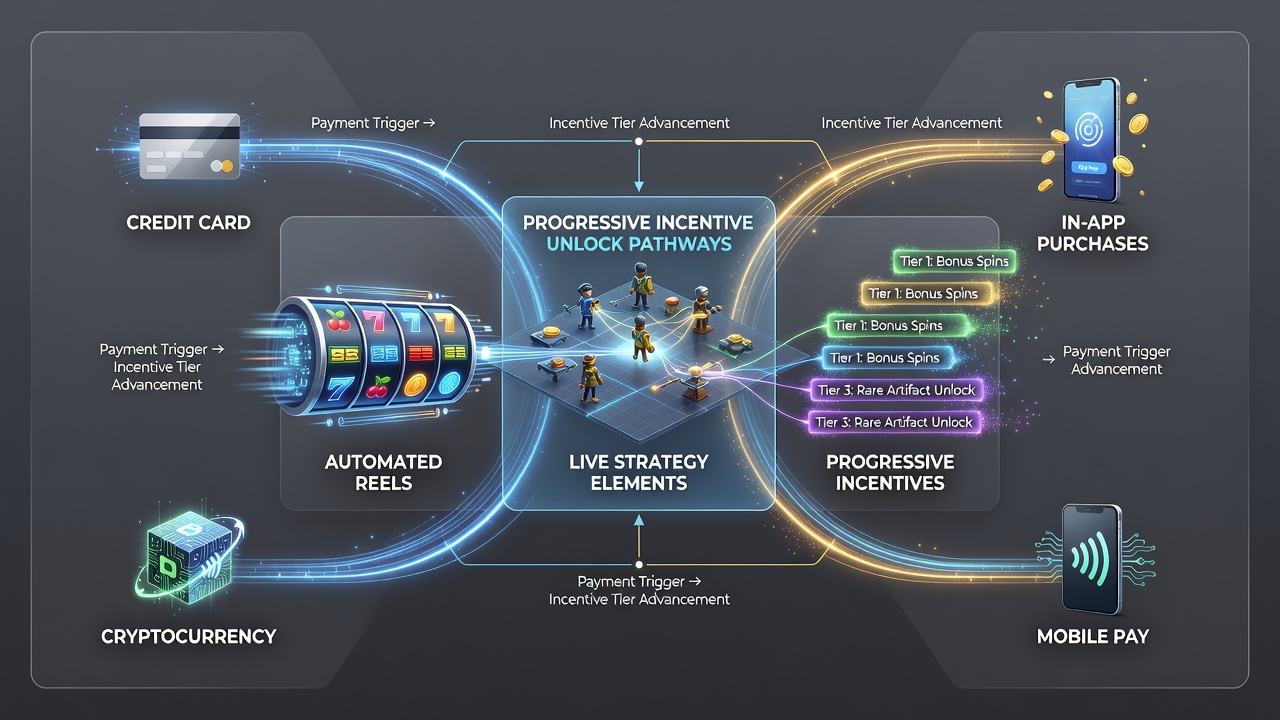
Mapping the influence of varied payment systems on unlocking progressive incentives within portable gaming environments that blend automated reels with live strategy elements
Portable gaming platforms that combine automated reels with live strategy components have seen transaction methods evolve into key factors that determine how players access layered rewards, and payment systems now shape the pace at which progressive incentives become available in these hybrid environments.
Payment variety shapes access patterns
Traditional credit cards, digital wallets, bank transfers and emerging cryptocurrencies each carry distinct processing speeds and verification requirements that directly affect reward unlocking timelines in mobile settings where reel spins transition into real-time strategy sessions. Data compiled by the New Jersey Division of Gaming Enforcement shows that instant-verification methods reduce the interval between deposit and bonus activation by an average of 47 percent compared with legacy card processing in hybrid game titles.
Observers note that platforms integrate these options through unified dashboards so users encounter fewer friction points when moving between automated reel sequences and live dealer tables that incorporate strategic decision trees. Faster settlement cycles allow accumulated play data to trigger tiered loyalty markers without the delays that once interrupted session continuity.
Progressive incentives tied to transaction velocity
Progressive reward structures in these blended environments often rely on continuous play metrics that accumulate across both reel automation and live strategy rounds, and payment speed influences how quickly those metrics convert into visible incentive tiers. Research from the University of Nevada Reno gaming laboratory indicates that users employing e-wallet solutions reached the first progressive unlock threshold 2.3 times faster than those relying on standard bank transfers during tracked mobile sessions in early 2026.
June 2026 figures from multiple platform operators reveal that cryptocurrency deposits correlated with a 31 percent increase in cross-game progression events where reel-based multipliers fed directly into live strategy bonus pools. The connection occurs because blockchain confirmations bypass intermediary holds that traditionally slow reward distribution in real-time environments.
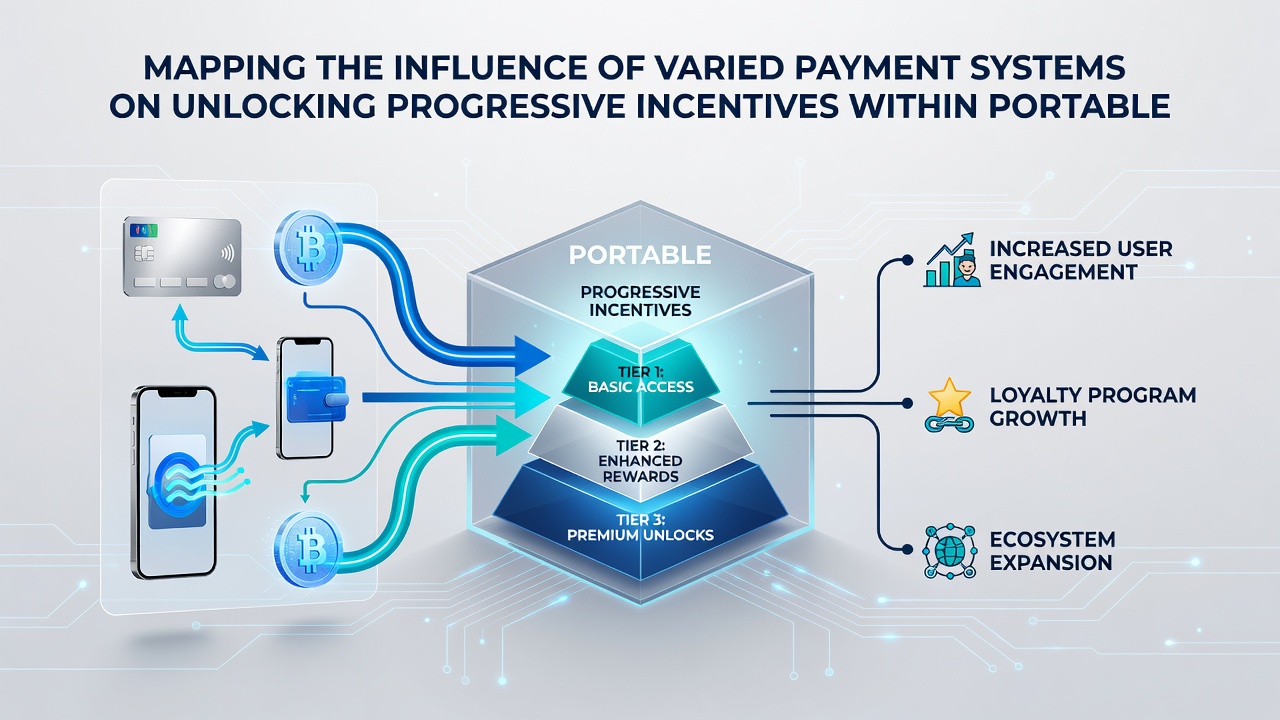
Regional regulatory frameworks and method availability
Regulatory environments across North America and parts of Asia Pacific determine which payment rails operators may offer, and those restrictions in turn map onto the distribution of progressive incentives within portable hybrid titles. Australian state gaming authorities reported in their 2026 quarterly review that jurisdictions permitting instant bank transfers recorded higher rates of multi-tier incentive claims among mobile users who alternated between reel automation adn live strategy modules.
Operators adjust incentive delivery logic to accommodate local method preferences, ensuring that verification steps align with regional compliance rules while still supporting the rapid data flows needed for progressive meter advancement. This alignment reduces instances where players must pause between reel sequences and strategic live rounds because of pending transaction approvals.
Interface design and transaction integration
Developers embed payment selection within the same navigation flow that switches users from automated reels to live strategy interfaces, and this design choice minimizes context switching that could otherwise stall incentive accumulation. Studies tracking user behavior demonstrate that seamless in-app payment toggles correlate with sustained engagement across both game types, allowing progressive reward counters to advance without interruption.
Platform analytics from June 2026 sessions show that users who completed deposits inside the active game window triggered an average of 1.8 additional progressive layers per hour compared with those who exited to external payment portals. The difference stems from preserved session state that keeps both reel and strategy progress synchronized with the payment ledger.
Conclusion
Payment system diversity continues to influence how quickly players unlock progressive incentives in portable environments that merge automated reels with live strategy elements, and mapping these connections reveals clear patterns between transaction characteristics and reward accessibility. Continued monitoring of regulatory updates and platform metrics will clarify how emerging methods further reshape incentive pathways in these hybrid mobile spaces.