Mapping Transaction Routes to Sustained Play Cycles in Real-Time Dealer and Strategy Hybrids
Gisela Krause · Jun 8, 2026
Mapping Transaction Routes to Sustained Play Cycles in Real-Time Dealer and Strategy Hybrids
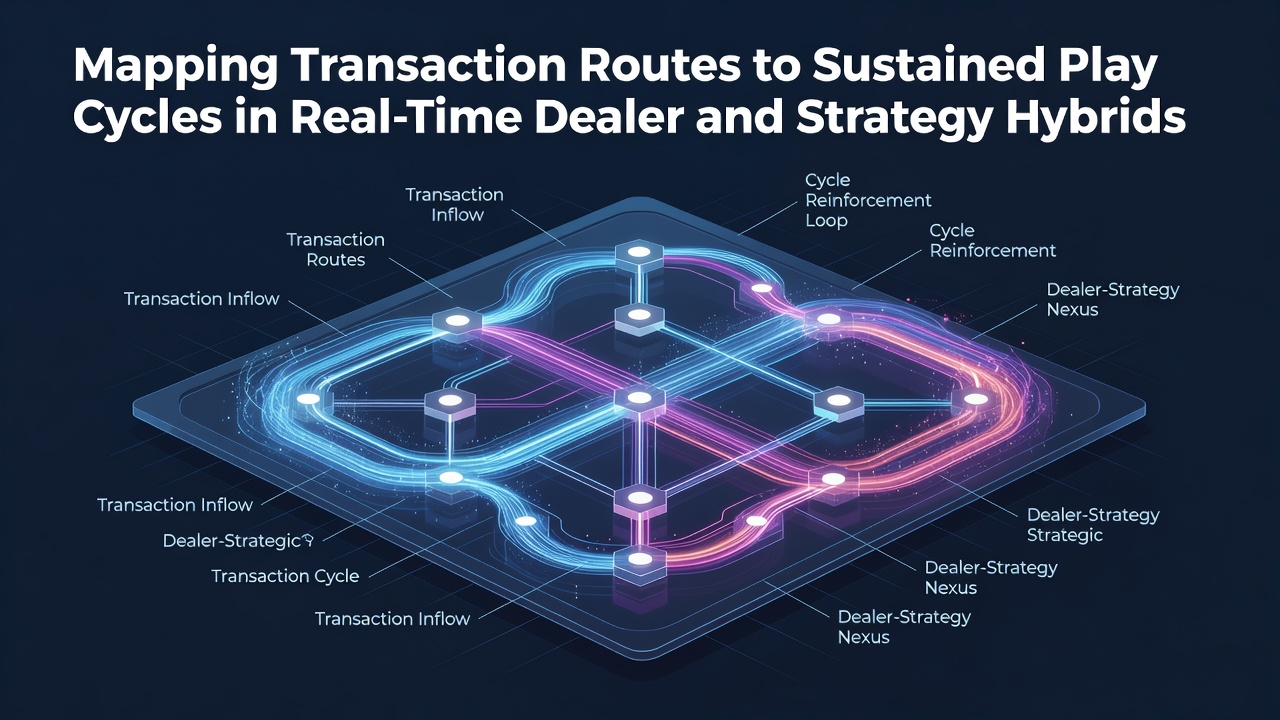
Transaction routes in digital gaming platforms form direct pathways that connect payment processing systems to extended engagement periods, particularly within real-time dealer formats and strategy hybrids that blend chance elements with decision-based mechanics. Observers note that efficient deposit and withdrawal sequences reduce friction points, allowing players to maintain momentum across live table sessions and hybrid game structures that incorporate both automated systems and human dealers.
Data from regulatory filings in multiple jurisdictions reveals patterns where streamlined transaction handling correlates with longer session durations. These routes typically involve instant verification steps, multi-currency support, and integrated wallet functions that feed directly into game interfaces without requiring players to exit the active environment.
Core Components of Transaction Mapping
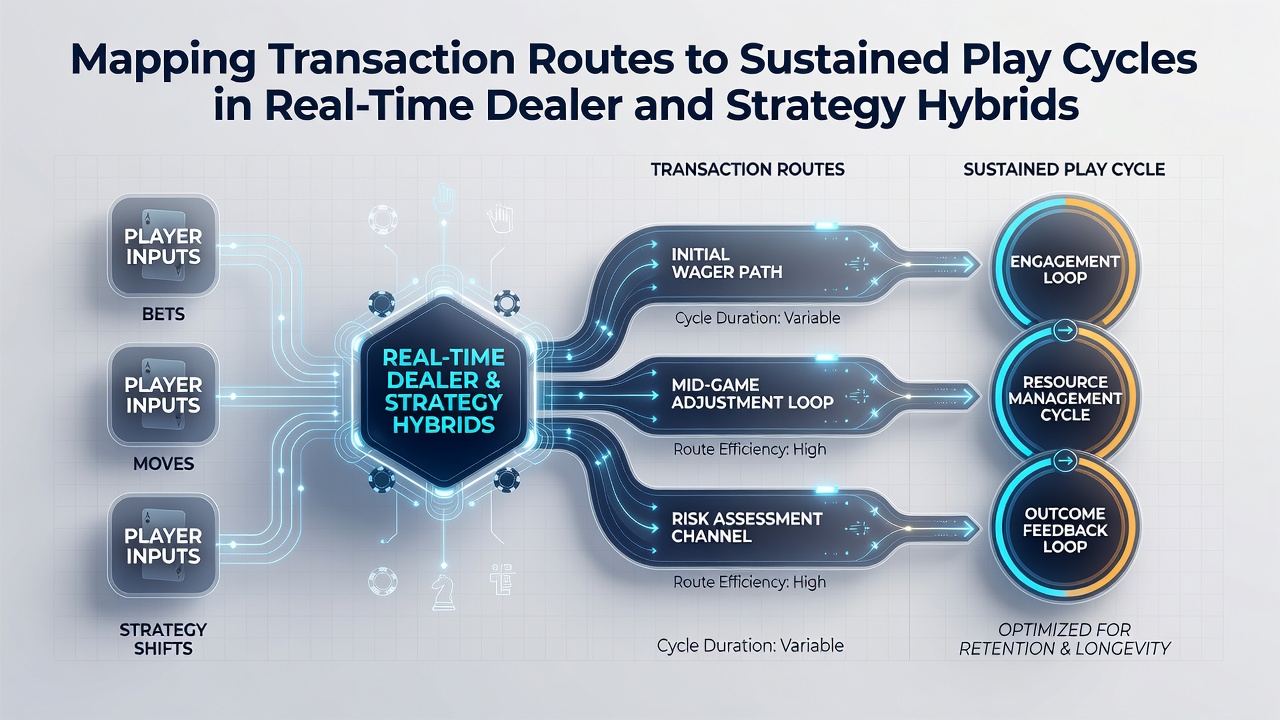
Real-time dealer platforms rely on payment gateways that process deposits in seconds, routing funds from external accounts or digital wallets straight into player balances visible on screen. Strategy hybrids extend this process by layering analytical tools such as probability calculators and historical hand trackers that remain accessible throughout the session. Researchers at institutions tracking gaming behavior have documented how these elements combine to create continuous loops where each completed transaction cycle prompts immediate re-engagement with either live dealer tables or hybrid strategy modules.
Payment method preferences documented across North American markets show credit transfers and e-wallet options dominating live dealer traffic, while cryptocurrency routes appear more frequently in hybrid formats that reward rapid decision sequences. June 2026 figures from several state-level oversight bodies indicate rising volumes in these channels, especially during evening peak hours when real-time dealer streams reach maximum capacity.
Integration Patterns in Live Dealer and Hybrid Systems
Live dealer environments synchronize transaction confirmations with game rounds so that new funds appear available before the next betting window opens. This timing reduces interruptions that previously broke player focus during card shuffles or wheel spins. Strategy hybrids add another layer by linking transaction history to performance metrics, letting participants review how deposit timing influenced outcomes across multiple rounds of skill-influenced play.
Industry reports compiled by the American Gaming Association highlight that platforms offering one-click deposit options within active sessions record higher retention rates in both dealer-led and hybrid categories. These systems use API connections that push balance updates directly into the game client, eliminating separate browser tabs or app switches that once fragmented attention.
Regional Data Trends Through Mid-2026
Canadian provincial regulators tracking iGaming activity through the first half of 2026 recorded increased average session lengths when transaction processing stayed under ten seconds. Similar patterns emerged in Australian market analyses, where hybrid titles featuring both automated strategy aids and live dealer oversight showed stronger repeat participation after optimized payment routing was introduced. European oversight bodies outside the United Kingdom have reported comparable correlations in markets with mature real-money frameworks.
These observations come from aggregated transaction logs rather than individual player tracking, preserving privacy while revealing macro-level connections between payment speed and cycle duration. Academic papers examining player flow in multi-format environments continue to reference these datasets when modeling engagement curves.
Technical Pathways and Cycle Maintenance
Mapping exercises typically begin with deposit initiation points, move through verification servers, and terminate at the game engine where balances update in real time. Strategy hybrids insert additional nodes at this stage, such as risk-assessment overlays that activate only after a confirmed transaction. The entire sequence forms a closed loop that restarts with each new deposit or withdrawal request, sustaining play cycles as long as funds remain available and game rules permit continued participation.
Platform operators have implemented fallback routing that switches between primary and secondary processors during high-traffic periods, a practice documented in technical white papers presented at industry conferences. This redundancy keeps transaction routes operational even when primary channels experience brief delays, preserving the continuity required for sustained engagement in both dealer and hybrid formats.
Conclusion
Transaction route mapping provides a structural view of how payment systems underpin extended play cycles across real-time dealer offerings and strategy hybrids. Available data through June 2026 demonstrates consistent linkages between processing efficiency and session length, supported by records from regulatory agencies and research compilations. These patterns continue to inform platform design choices that prioritize seamless fund movement while maintaining compliance across jurisdictions.