Payment Ecosystem Shifts Reshaping Access to Layered Benefits in Mobile-Enabled Interactive Gaming Spaces
Anna Otto · May 29, 2026
Payment Ecosystem Shifts Reshaping Access to Layered Benefits in Mobile-Enabled Interactive Gaming Spaces
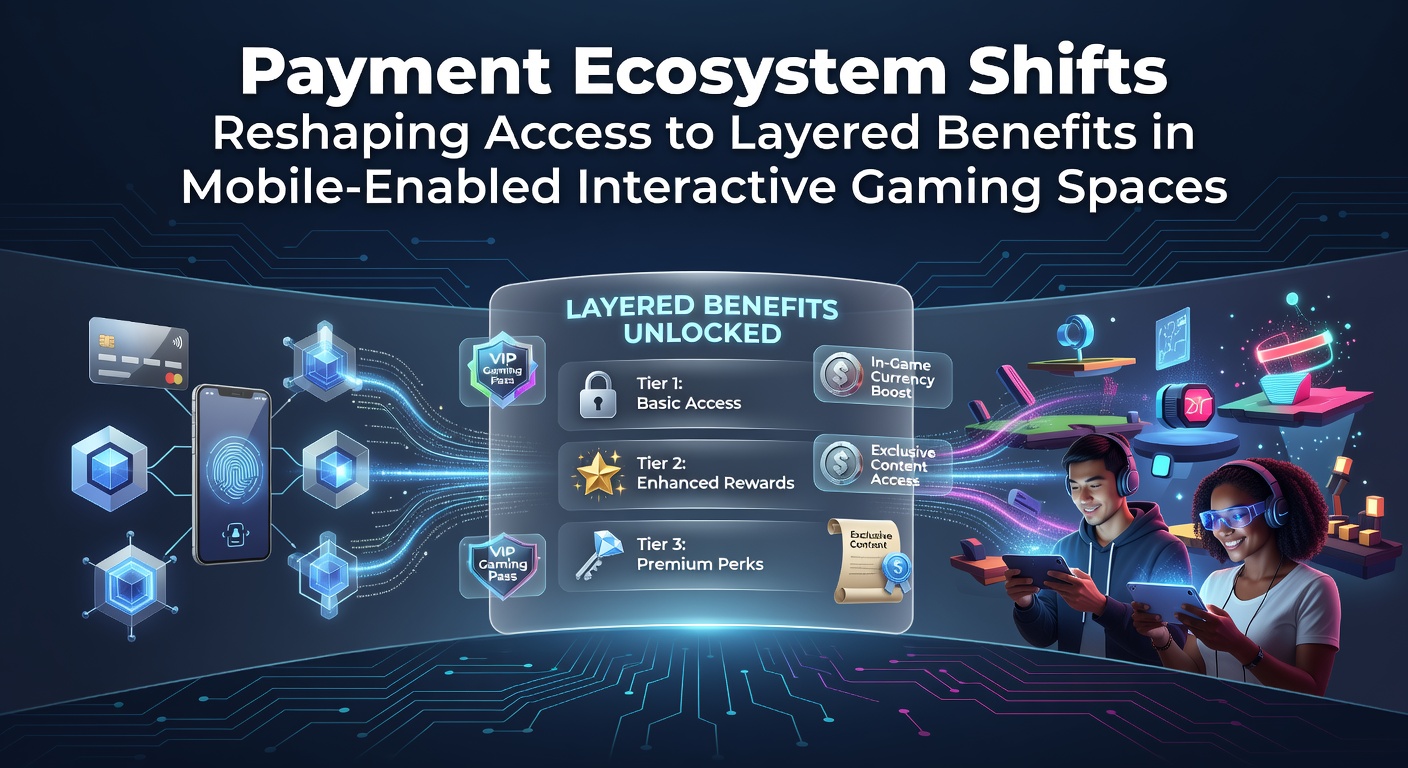
Payment systems within mobile-enabled interactive gaming have undergone notable transformations since early 2025, with operators integrating faster transaction rails and alternative currencies that directly influence how users unlock tiered rewards. Data from industry reports indicate that mobile platforms now process over 70 percent of gaming activity through digital wallets and instant settlement methods, which in turn adjust eligibility for loyalty points, bonus multipliers, and exclusive table access. These changes align with broader adoption patterns observed across North American and Asia-Pacific markets during the first quarter of 2026. Observers note that real-time payment rails reduce friction between deposits and gameplay initiation, allowing participants to meet minimum activity thresholds more quickly. Regulatory filings from the Nevada Gaming Control Board show increased volumes of instant transfer usage in mobile applications, correlating with higher retention rates among mid-tier loyalty members. As a result, layered benefit structures—such as progressive cashback percentages and personalized free-play allocations—now activate based on transaction velocity rather than cumulative spend alone.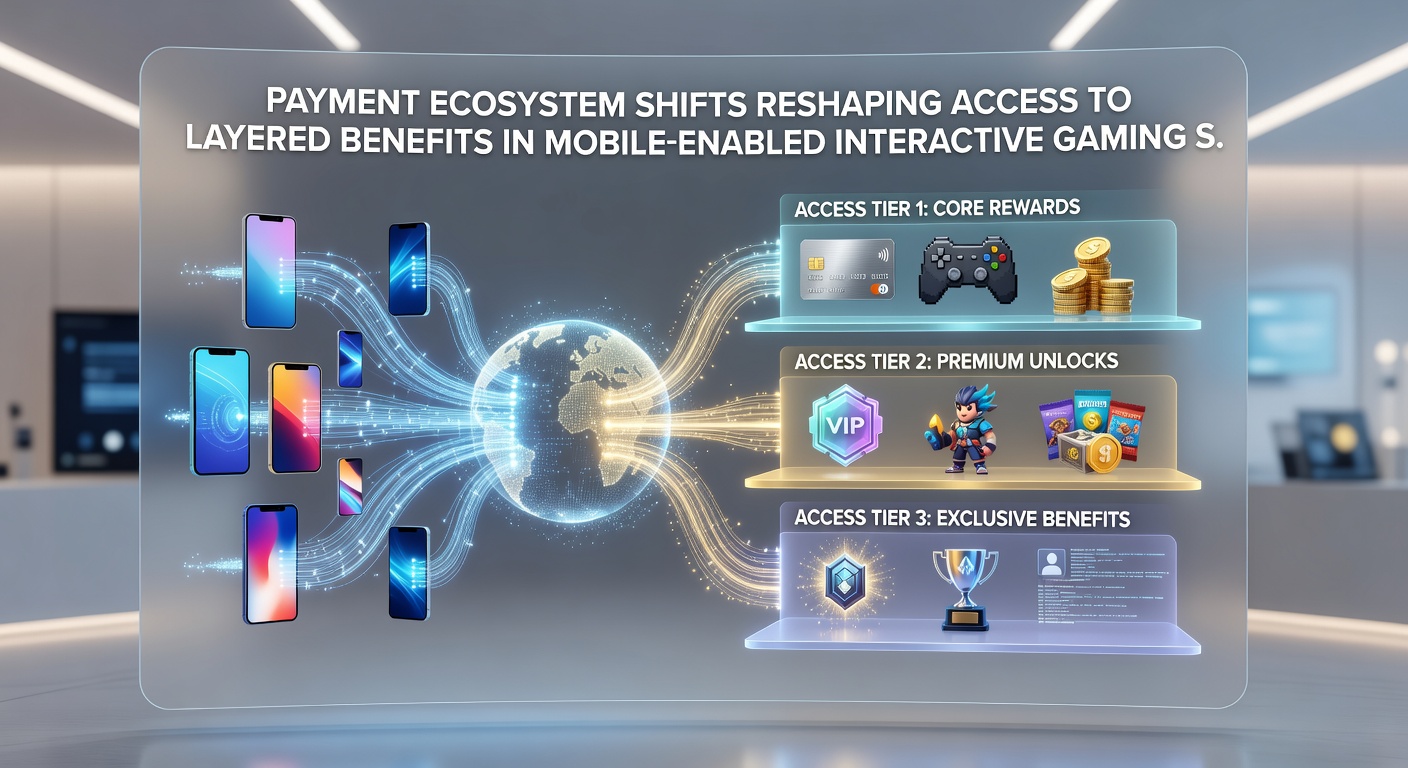
Payment systems within mobile-enabled interactive gaming have undergone notable transformations since early 2025, with operators integrating faster transaction rails and alternative currencies that directly influence how users unlock tiered rewards. Data from industry reports indicate that mobile platforms now process over 70 percent of gaming activity through digital wallets and instant settlement methods, which in turn adjust eligibility for loyalty points, bonus multipliers, and exclusive table access. These changes align with broader adoption patterns observed across North American and Asia-Pacific markets during the first quarter of 2026. Observers note that real-time payment rails reduce friction between deposits and gameplay initiation, allowing participants to meet minimum activity thresholds more quickly. Regulatory filings from the Nevada Gaming Control Board show increased volumes of instant transfer usage in mobile applications, correlating with higher retention rates among mid-tier loyalty members. As a result, layered benefit structures—such as progressive cashback percentages and personalized free-play allocations—now activate based on transaction velocity rather than cumulative spend alone.Integration of Alternative Currencies and Settlement Speed
Cryptocurrency gateways and stablecoin options have expanded in mobile gaming environments, particularly following regulatory clarity updates in several jurisdictions. Research published by the University of Nevada, Las Vegas International Gaming Institute highlights that platforms accepting digital assets recorded a 34 percent rise in cross-border player registrations between January and April 2026. These methods support near-instant confirmation times, which streamline progression through reward ladders where higher tiers unlock live dealer privileges or jackpot pool entries. Payment processors have also introduced programmable incentives tied to transaction metadata. One example involves automated reward credits issued upon completion of a verified deposit, a feature documented in operational summaries from Canadian provincial regulators. Such mechanisms allow operators to calibrate benefit layers according to payment source and amount, creating dynamic access points that differ from static weekly or monthly cycles used in prior years.