Player Navigation Routes Between Reel Mechanics and Dealer Interactions via Adaptable Transaction Gateways in Portable Environments
Gisela Krause · Jul 29, 2026
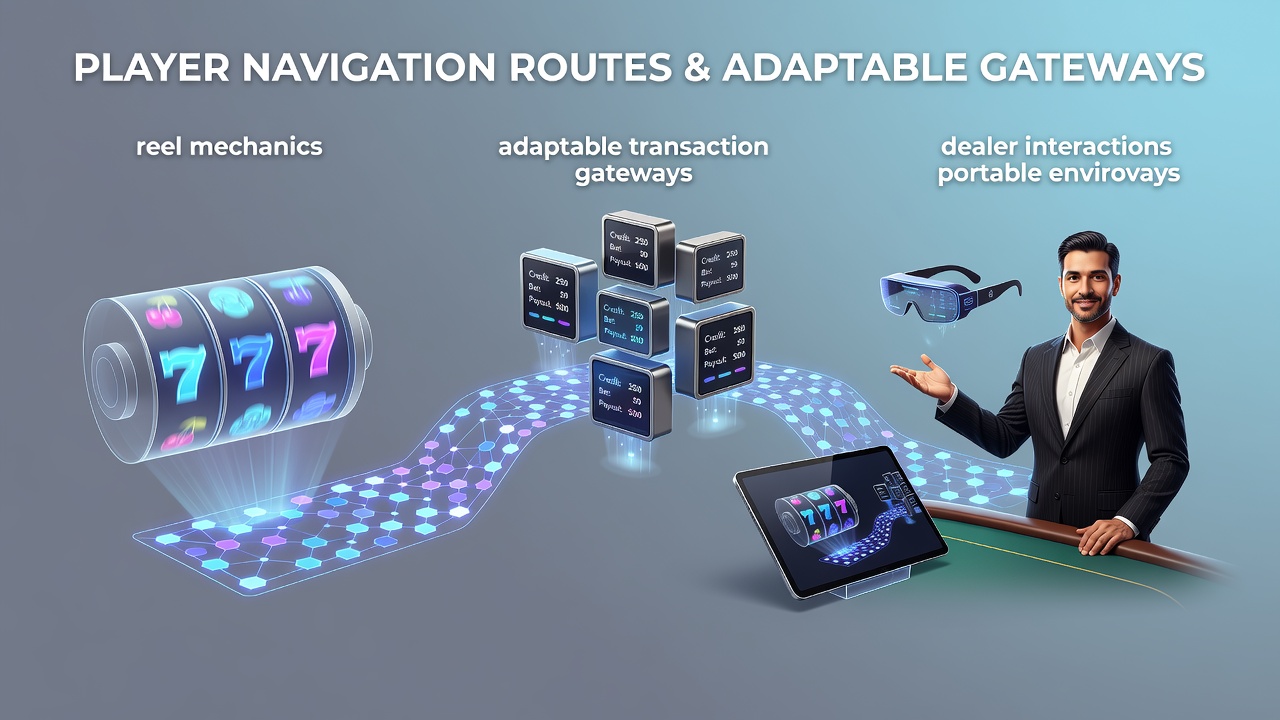
Player Navigation Routes Between Reel Mechanics and Dealer Interactions via Adaptable Transaction Gateways in Portable Environments
Portable gaming platforms in July 2026 continue to integrate reel mechanics with live dealer sessions through structured navigation systems that rely on adaptable transaction gateways, and data from multiple regulatory bodies shows steady growth in these hybrid environments across regions like North America and Asia-Pacific. Players move between automated reel sequences and real-time dealer interactions by accessing payment interfaces that adjust to device capabilities and network conditions, while industry reports indicate these routes reduce session interruptions when users switch game types on smartphones and tablets.
Core Elements of Portable Navigation Systems
Reel mechanics in mobile slots operate through algorithmic spin cycles that respond to user inputs via touch gestures, and these systems connect to dealer-led tables when players initiate transfers through gateways designed for variable bandwidth. Research from the Nevada Gaming Control Board highlights how such connections maintain session continuity, with transaction layers handling deposits or withdrawals that unlock access to different game modes without requiring full restarts. Observers note that portable environments demand gateways capable of processing multiple currency types and payment methods simultaneously, and this capability supports seamless shifts from spinning reels to card-based dealer encounters.
Pathways Linking Reel Sequences to Dealer Tables
Navigation routes typically begin in reel-based games where players accumulate balances through symbol combinations, after which adaptable gateways prompt options for reallocating funds toward live dealer streams. Studies from the University of Nevada Reno Gaming Research Center reveal that users in these setups often follow predictable patterns, moving from high-volatility slots to strategy-focused tables when gateway prompts appear at specific balance thresholds. But here's the thing: the gateways themselves incorporate location-aware features that detect portable device sensors, and this allows them to reroute transactions around unstable connections while preserving the flow between mechanical reels and human dealer interfaces.
Evidence from Singapore's Casino Regulatory Authority points to increased adoption of these hybrid paths in mid-2026, where operators report that players complete more cross-game transitions when gateways support instant verification steps. Those who've examined usage logs find that reel mechanics feed into dealer sessions through shared wallet systems, and the process avoids separate logins by embedding transaction confirmations directly into the game switch interface.
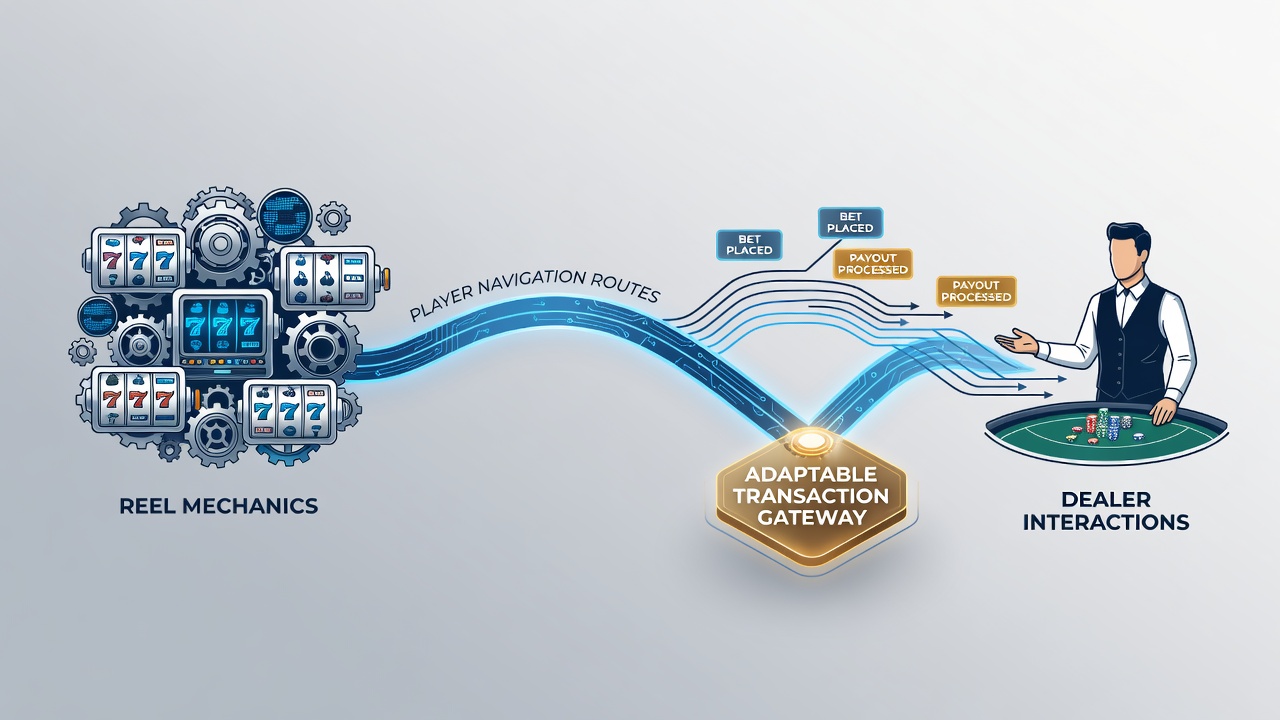
Transaction Gateways as Enablers in Mobile Contexts
Adaptable transaction gateways function as intermediaries that process inputs from both reel engines and dealer platforms, adjusting protocols based on device orientation or data speeds. Figures from the Australian Communications and Media Authority indicate that mobile gaming traffic in July 2026 relies heavily on these gateways for maintaining engagement across game categories, and operators deploy them to handle encrypted handshakes that protect player data during switches. People often find that gateways with modular designs accommodate new payment rails without disrupting existing navigation flows, and this flexibility proves essential in environments where users toggle between chance-based reels and interactive dealer rounds.
Take one operator deployment in Macau that integrated gateway updates in early 2026, and experts observed reduced latency during game transitions as a direct result. The routes themselves incorporate visual cues within portable apps, guiding players from reel outcomes to dealer table lobbies while gateways manage the underlying balance updates in real time.
Patterns Observed in July 2026 Usage Data
Current figures reveal that portable device sessions increasingly blend reel mechanics with dealer interactions through these gateways, and regulatory summaries from the New Jersey Division of Gaming Enforcement document a rise in multi-game play sequences. Researchers discovered that navigation efficiency improves when gateways offer predictive loading of dealer streams based on prior reel activity, and this approach minimizes downtime for users on variable mobile networks. What's interesting is how geographic differences emerge in gateway preferences, with Asia-Pacific markets favoring integrated crypto options while North American setups emphasize traditional card linkages within the same transaction layer.
Those who've studied this know that sustained play cycles depend on reliable gateway adaptability, since failed transactions can break the connection between reel progress and dealer table entry. Industry organizations such as the International Association of Gaming Regulators track these metrics and note consistent patterns across portable platforms in the current period.
Conclusion
Player navigation routes in portable environments continue to evolve through the interplay of reel mechanics, dealer interactions, and adaptable transaction gateways, with data from diverse regulatory sources confirming their role in supporting fluid game transitions during July 2026. These systems enable structured movement between automated and live elements while processing payments that align with device constraints, and ongoing developments in gateway technology reflect broader trends in mobile gaming infrastructure across multiple jurisdictions.