Shifting Crypto Rails That Connect Real-Time Payout Speeds to Layered Loyalty Structures in Portable Chance and Strategy Sessions
Erik Washington · Aug 26, 2026
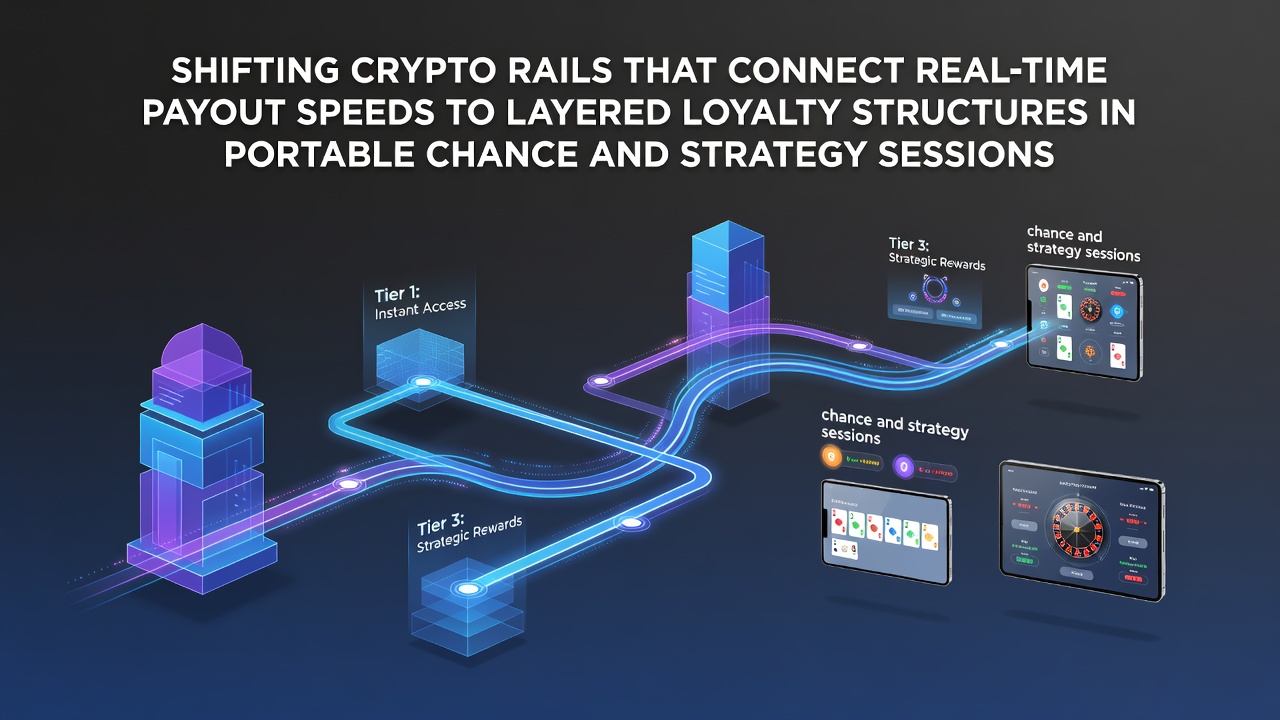
Shifting Crypto Rails That Connect Real-Time Payout Speeds to Layered Loyalty Structures in Portable Chance and Strategy Sessions
Data from multiple gaming markets shows crypto-based payment rails now handle instant settlement for mobile sessions that blend chance elements like slots with strategy formats such as poker and blackjack, and these systems tie directly into tiered loyalty programs that award points based on transaction velocity rather than total volume alone.
Blockchain networks that support low-latency confirmations allow funds to move from player wallets to game balances in under ten seconds, a shift observers attribute to upgrades in layer-two protocols adopted across several platforms during the first half of 2026. Those same networks feed metadata on payout timing into loyalty engines, so faster processing automatically unlocks higher reward multipliers within the same session.
Rail Architecture and Settlement Mechanics
Modern crypto rails separate the settlement layer from the loyalty calculation layer, which lets operators adjust incentive rules without touching core transaction code. Nodes verify each transfer while smart contracts simultaneously log activity metrics such as average confirmation time and frequency of cross-game transfers. The result is a continuous data stream that loyalty algorithms use to calculate tier progression in real time.
August 2026 reports from the New Jersey Division of Gaming Enforcement recorded a 34 percent rise in crypto-denominated mobile transactions compared with the same month in 2025, with average settlement times falling to 6.2 seconds. Regulators noted that these figures coincided with platform updates that exposed payout speed as a variable in loyalty scoring formulas.
Loyalty Layer Integration Patterns
Loyalty structures now operate on three distinct tiers that scale with both play volume and payout velocity. Entry-level participants receive base point accrual, mid-tier users gain accelerated multipliers when payouts clear within fifteen seconds, and top-tier accounts access dynamic bonuses tied to strategy-session outcomes across multiple titles. Smart contracts enforce these rules automatically once predefined thresholds are met.
One documented implementation links a player's cumulative strategy-game win rate to an additional payout-speed bonus, so consistent performance in skill-based formats compounds the benefit of rapid crypto settlement. Industry figures released by the American Gaming Association indicate that operators using this dual-metric model saw a 19 percent increase in session length during the second quarter of 2026.
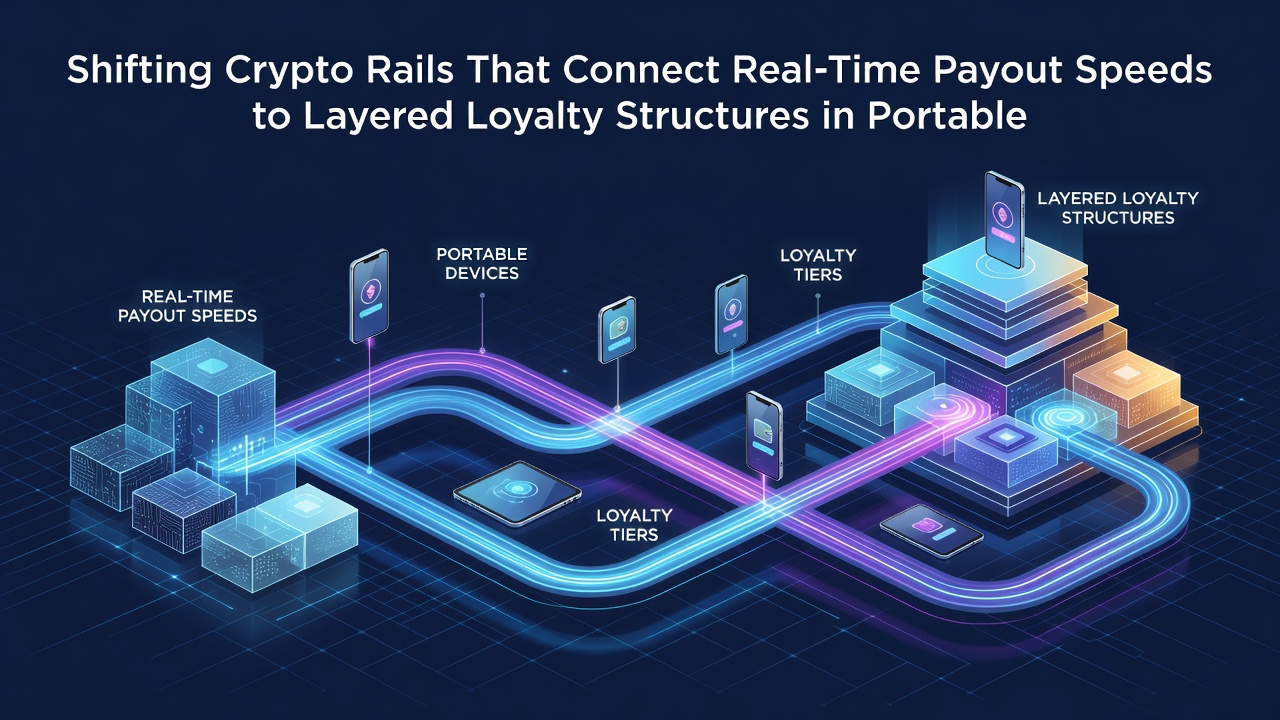
Portable Session Dynamics
Mobile interfaces present unified dashboards that display both current payout status and projected loyalty movement, allowing users to switch between chance and strategy modules while the underlying rails maintain continuous data flow. Push notifications alert players when a completed transaction triggers an immediate tier upgrade, and these alerts include the exact multiplier adjustment applied to future rewards.
Research published by the University of Nevada, Las Vegas International Gaming Institute tracked 12,000 mobile accounts over eight weeks in mid-2026 and found that participants who received at least one payout under eight seconds were 2.7 times more likely to reach the next loyalty tier within the same week. The study also recorded higher cross-game migration rates when loyalty points carried over between slot and table environments without manual redemption steps.
Regulatory and Technical Developments in August 2026
August brought new compliance guidelines from the Australian Transaction Reports and Analysis Centre that require operators to log payout latency as part of anti-money-laundering reporting. Platforms that already exposed this metric to loyalty systems found the transition straightforward, while others added separate logging modules that feed the same data stream used for reward calculations.
Network congestion tests conducted on Ethereum-based sidechains during the month showed sustained sub-ten-second confirmations even under peak mobile traffic loads, confirming that current rail capacity supports the combined demands of real-time payouts and layered loyalty tracking.
Conclusion
Current implementations demonstrate that crypto rails function as both settlement channels and data pipelines, supplying the speed metrics that loyalty structures require for dynamic tier assignment in portable chance and strategy sessions. Figures from regulatory bodies and academic monitoring continue to track how these integrated systems evolve across different jurisdictions.