Tracing Bonus Pathways From Table Strategies to Reel Features Through Adaptive Transaction Networks
Gisela Krause · Jul 24, 2026
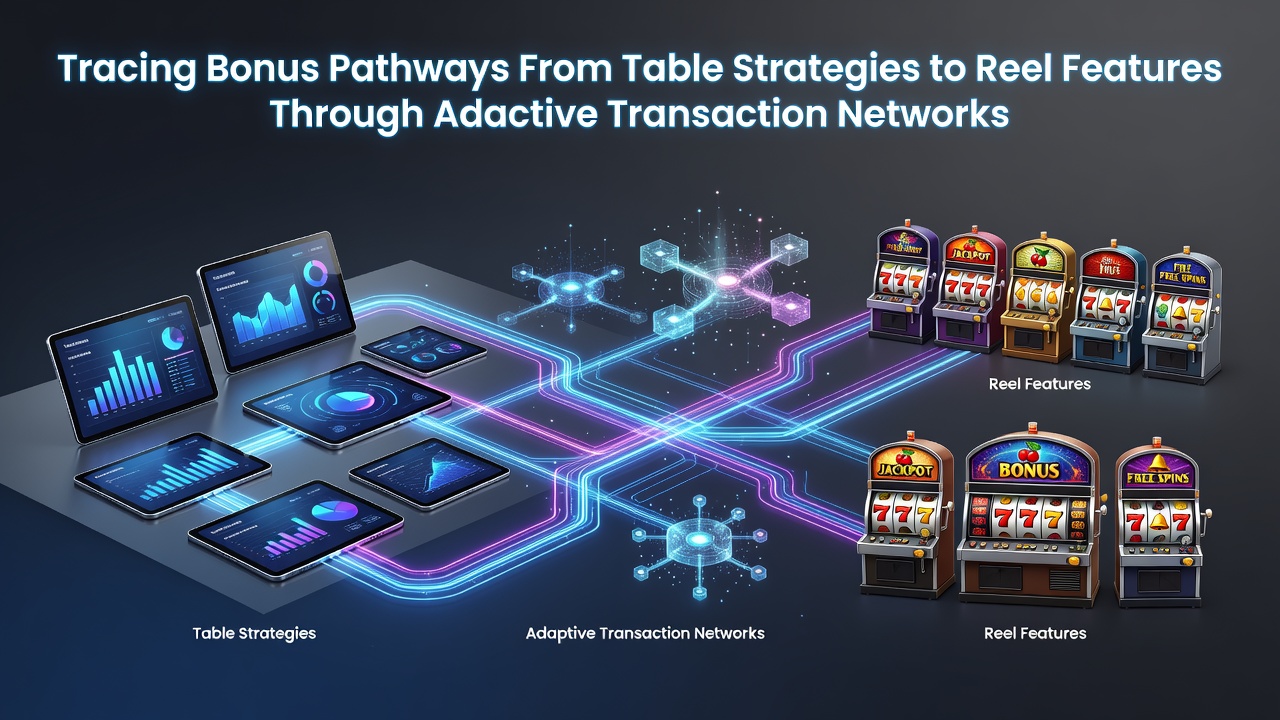
Tracing Bonus Pathways From Table Strategies to Reel Features Through Adaptive Transaction Networks
Digital gaming platforms have developed intricate systems that connect player decisions in table games with reward structures on reel-based machines, and adaptive transaction networks serve as the underlying mechanism that routes these incentives across different formats. Observers note that these pathways often begin when users apply strategic choices in games such as blackjack or poker, where decisions about bets and timing generate data points that influence subsequent bonus allocations. Those data points travel through transaction layers that adjust in real time based on volume, frequency, and game type, allowing the same player account to unlock reel features without separate enrollment steps.
Initial Pathways in Table Environments
Table strategies generate initial signals when participants select specific wagering patterns or timing sequences that align with platform-defined criteria, and these signals feed directly into bonus ledgers maintained by the network. Research from industry monitoring groups indicates that platforms record each strategic move as a transaction event, which then receives a weighted value depending on the game variant and session length. In July 2026 several North American operators reported measurable increases in cross-format participation after updating their network algorithms to recognize table-based decision trees more precisely, according to aggregated operator filings submitted to state regulators.
Adaptive networks evaluate the accumulated signals against predefined thresholds, and once those thresholds are met the system issues provisional credits that carry forward to other game categories. Experts at regional gaming associations have documented how this evaluation occurs in milliseconds, allowing seamless movement between table sessions and reel interfaces while preserving the original strategic data for later reward calculations.
Transition Mechanisms Linking to Reel Features
Reel features activate when transaction networks map accumulated table data onto slot-specific parameters such as multiplier triggers or symbol expansion rules, and this mapping relies on standardized data packets that travel between game servers. The process typically involves an intermediate ledger that converts table-derived points into reel-eligible tokens, a conversion that occurs automatically after the network confirms the originating session meets integrity checks. Data from platform analytics in mid-2026 showed that users who maintained consistent table strategies experienced faster activation of advanced reel mechanics compared with those who switched formats abruptly.
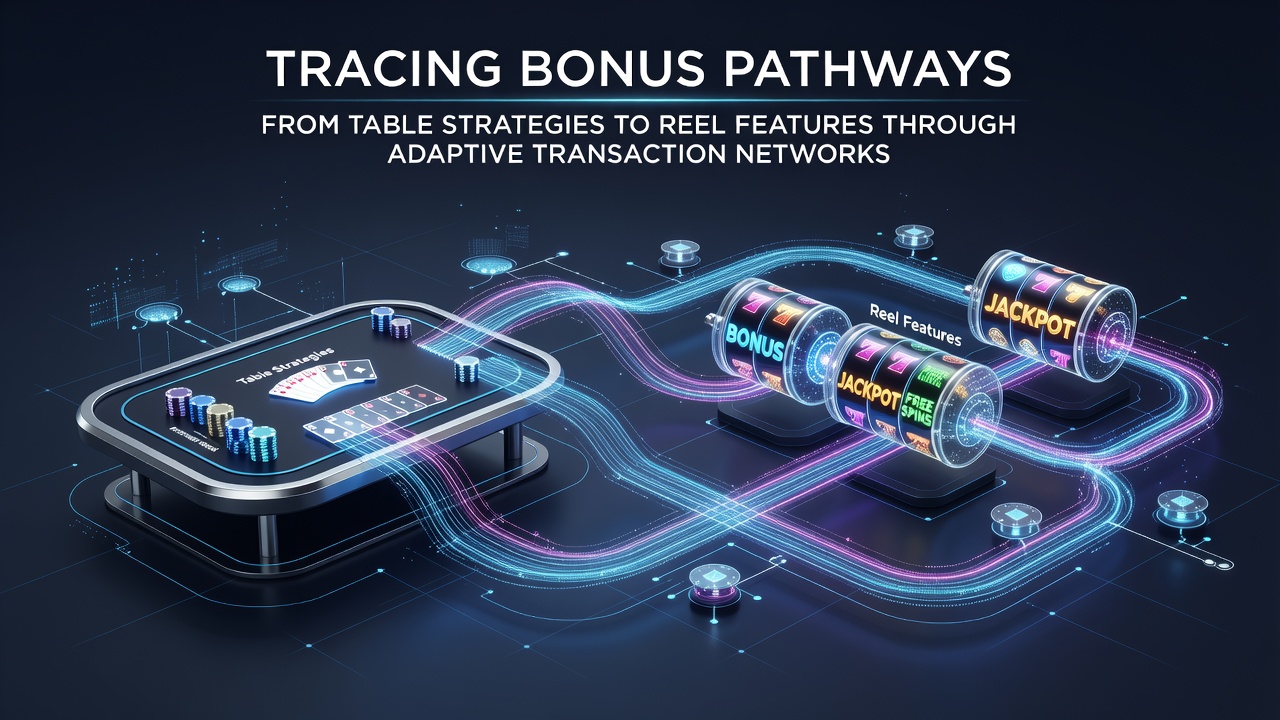
One documented case involved a European operator that integrated its loyalty ledger with both table and reel engines, resulting in players carrying forward risk-adjusted bonuses that altered reel volatility settings in real time. The same network simultaneously adjusted payout tables on the reel side to reflect the strategic depth demonstrated earlier in the table session, demonstrating how transaction layers function as bidirectional conduits rather than simple one-way reward distributors.
Network Architecture and Data Flow
Adaptive transaction networks employ layered protocols that separate raw gameplay data from reward logic, and this separation enables platforms to update one component without disrupting the other. Transaction records pass through validation nodes that verify compliance with jurisdictional requirements before releasing bonus elements, a step that has grown more automated since regulatory bodies in multiple regions began accepting electronic audit trails in place of manual reviews. Reports compiled by gaming technology consortia in 2026 highlighted that such automation reduced processing delays by measurable percentages across multi-jurisdiction deployments.
Platforms also incorporate feedback loops that monitor how reel features perform after receiving table-derived bonuses, then feed performance metrics back into the network to refine future mappings. This closed-loop design allows continuous calibration without requiring players to initiate new sessions or accept separate terms for each game category.
Regulatory Context and Reporting Standards
Gaming control agencies in several U.S. states and Australian jurisdictions have begun requiring operators to disclose the algorithms that route bonuses across game types, and these disclosures typically include schematic diagrams of transaction pathways. In July 2026 updated reporting templates issued by the Nevada Gaming Control Board asked for additional detail on how table strategy data influences reel parameters, prompting operators to expand their technical documentation. Similar requirements have appeared in Canadian provincial frameworks, where emphasis falls on transparency regarding data portability between game engines.
Industry associations have responded by publishing voluntary guidelines that standardize the format of these disclosures, thereby reducing the administrative burden on operators while still meeting regulatory expectations. Academic researchers examining these systems have noted that standardized reporting also facilitates comparative studies across different network architectures.
Conclusion
Transaction networks continue to evolve as the central infrastructure that translates strategic activity in table environments into functional reel features, and ongoing regulatory developments in 2026 have accelerated documentation and standardization efforts. The pathways remain dependent on precise data handling protocols that preserve player intent across formats while satisfying oversight requirements from multiple jurisdictions. As operators refine these systems, the flow of bonuses from table strategies to reel mechanics is expected to become both more transparent and more responsive to individual session patterns.