Tracing Deposit Preferences to Interconnected Reward Pathways in Mobile Luck and Skill Environments
Anna Otto · Aug 7, 2026
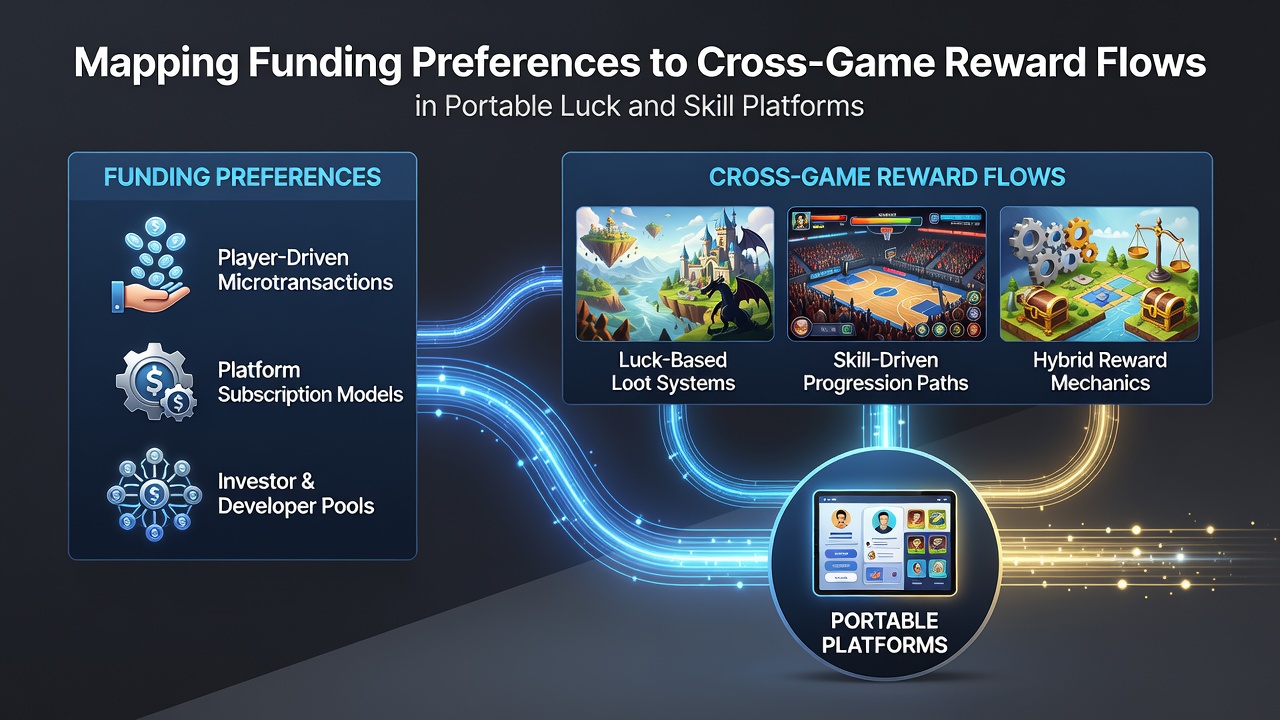
Tracing Deposit Preferences to Interconnected Reward Pathways in Mobile Luck and Skill Environments
Payment method selection shapes how rewards move between luck-based slots and skill-oriented table games on portable platforms, with data from mid-2026 indicating clear patterns in user behavior. Observers note that players who favor e-wallets often experience faster reward transfers across game types compared to those using traditional cards, while crypto options create distinct circulation loops in hybrid environments.
Payment Methods and Their Role in Reward Circulation
Funding preferences determine the speed and flexibility of reward activation across different game categories, and August 2026 figures from various mobile operators reveal that instant deposit methods correlate with higher cross-game progression rates. Those who study these systems find that users selecting bank transfers encounter delays that limit immediate access to layered incentives spanning reel spins and dealer interactions, whereas digital wallets enable seamless movement of bonuses from one category to another.
Research indicates distinct clusters emerge when analysts map these flows, with certain methods tying directly into loyalty tiers that unlock shared benefits. Data shows e-wallet users in particular maintain longer engagement cycles because rewards earned in skill elements transfer readily to luck-based features without additional verification steps.
Patterns Across Luck and Skill Game Categories
Cross-game reward flows depend heavily on how initial deposits interact with platform algorithms, and industry reports highlight that platforms using real-time processing see greater integration between chance mechanics and strategy elements. Take one operator that adjusted its systems in early 2026, where players funding via mobile apps observed rewards from poker sessions applying automatically to slot progressions within the same session.
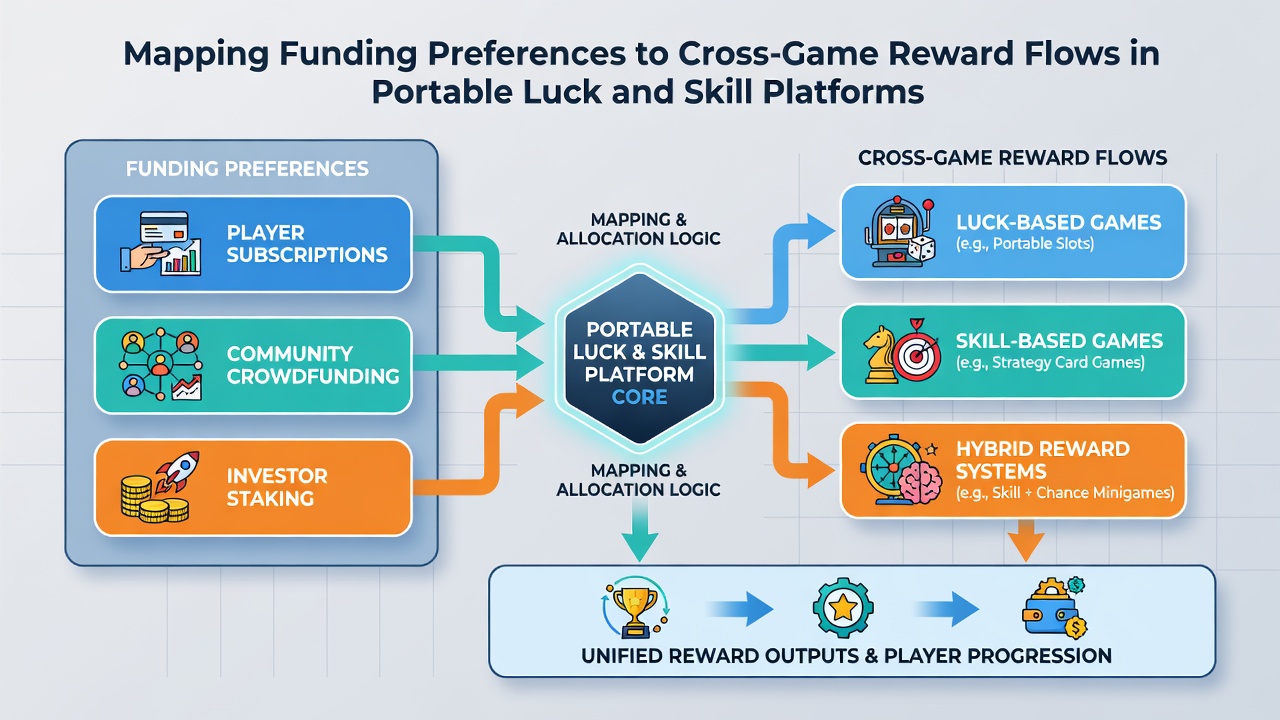
Studies from regulatory bodies such as the New Jersey Division of Gaming Enforcement track these dynamics through aggregated transaction data, revealing that preferred funding routes influence which incentives become available across portable setups. Observers note that platforms prioritizing multiple payment rails allow users to maintain consistent reward momentum whether they switch between luck-driven spins or skill-focused rounds.
Regional Data and Platform Adaptations in 2026
August 2026 metrics from North American and Asian markets demonstrate varying adoption rates for different funding types, with crypto preferences rising in regions supporting portable skill games. Those who've examined operator logs find that reward circulation accelerates when deposit methods align with in-app verification systems, reducing friction for players moving between game modes.
Evidence from trade analyses points to mobile interfaces that adapt based on funding history, automatically routing bonuses toward either chance or strategy elements depending on past patterns. This creates predictable flows where users who start with certain preferences encounter tailored reward structures that span multiple game categories without manual intervention.
Technical Mechanisms Behind the Flows
Backend systems on these platforms map deposit characteristics to reward eligibility rules, and developers have refined algorithms that recognize payment velocity as a signal for cross-game access. Data collected through 2026 shows platforms employing these mappings achieve higher retention when rewards from one game type feed directly into progression systems of another.
One case involves operators integrating API connections between payment processors and game engines, allowing bonuses triggered by skill achievements to apply instantly to luck-based features on the same device. Researchers discovered that such integrations depend on the initial funding method's compatibility with real-time settlement protocols.
Conclusion
Mapping funding preferences to reward flows reveals structured relationships that portable platforms exploit to connect luck and skill elements, with 2026 data confirming payment choice as a primary driver of how incentives circulate. Platforms continue refining these connections through technical updates, while external sources like reports from the Australian Gambling Research Centre provide ongoing benchmarks for understanding these dynamics across regions.